
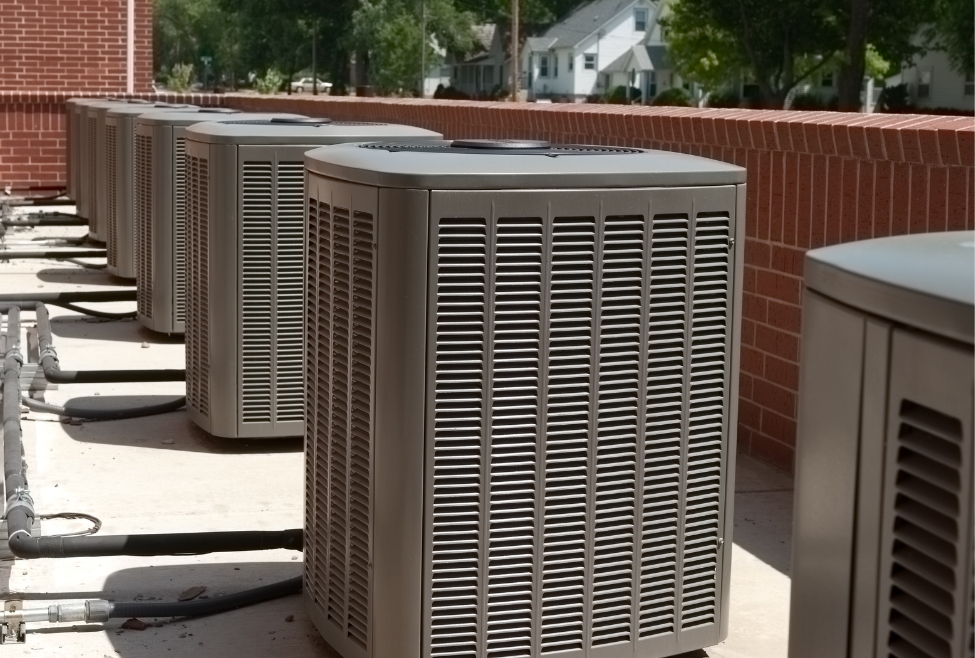
Why Cleaning AC Coils Matters
If your home isn’t cooling as efficiently as it used to, learning how to clean AC coils could make a real difference. Dirty evaporator and condenser coils can reduce system efficiency by up to 30%, increase your energy bills, and even lead to breakdowns. Regular cleaning helps your air conditioner run more efficiently, lowers energy usage, and extends the life of your HVAC system.
Step-by-Step: How to Clean AC Coils Safely
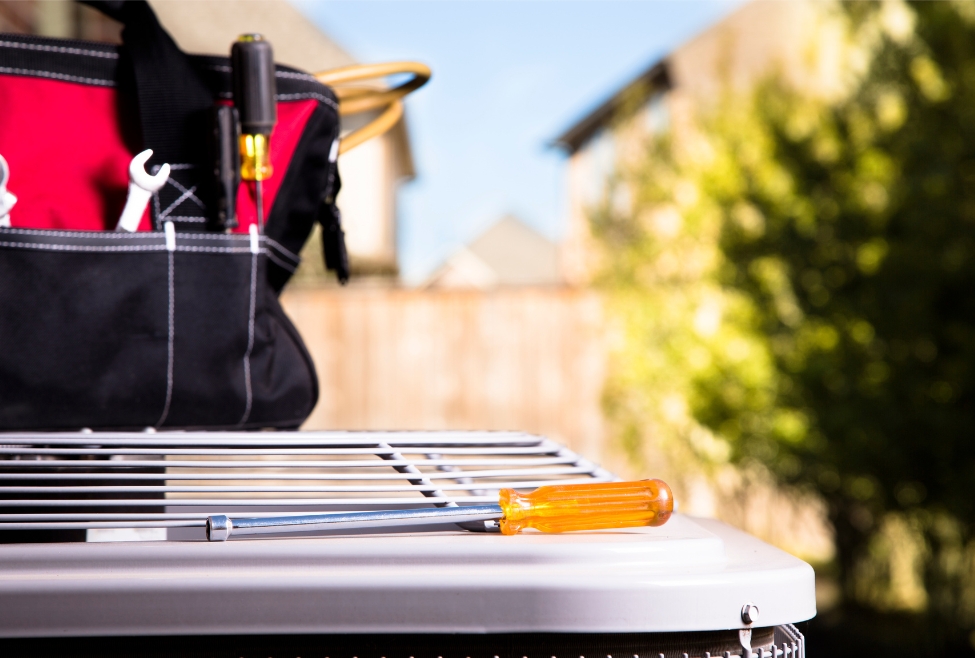
Tools You’ll Need:
- Foaming coil cleaner or mild detergent
- Soft-bristle brush, spray bottle, or garden hose
- Vacuum with brush attachment and screwdriver
- Fin comb (optional) and safety gloves/goggles
1. Turn Off Power
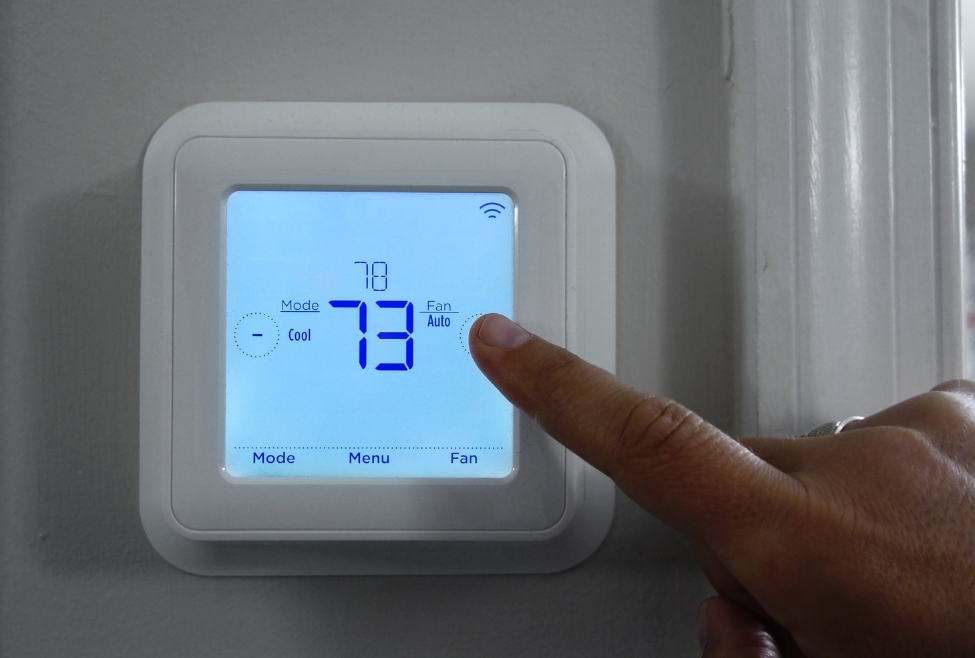
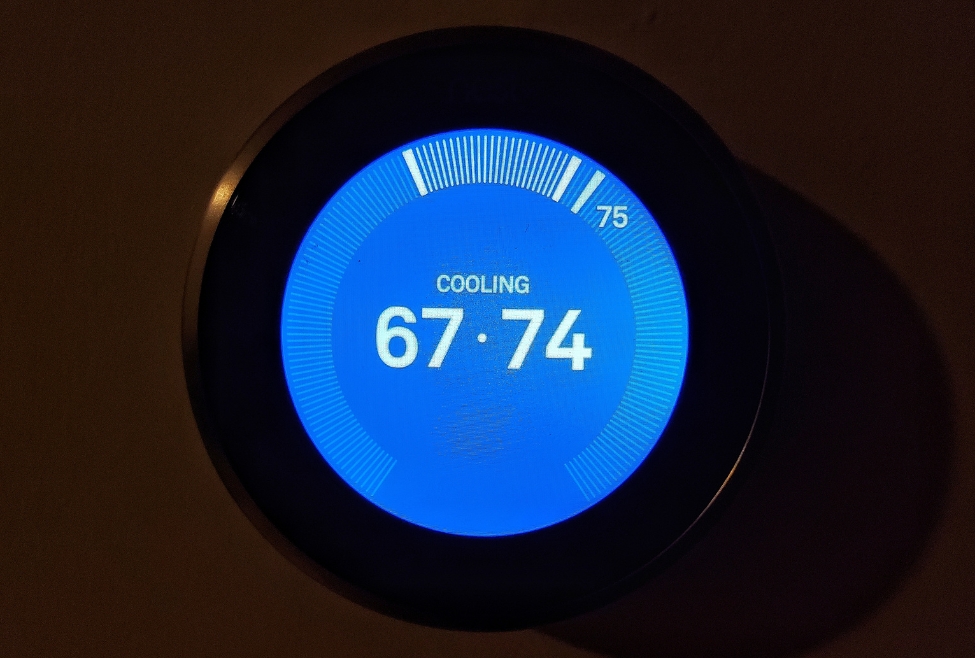
Start by switching off the power at the thermostat and your electrical panel. This step is essential for your safety.
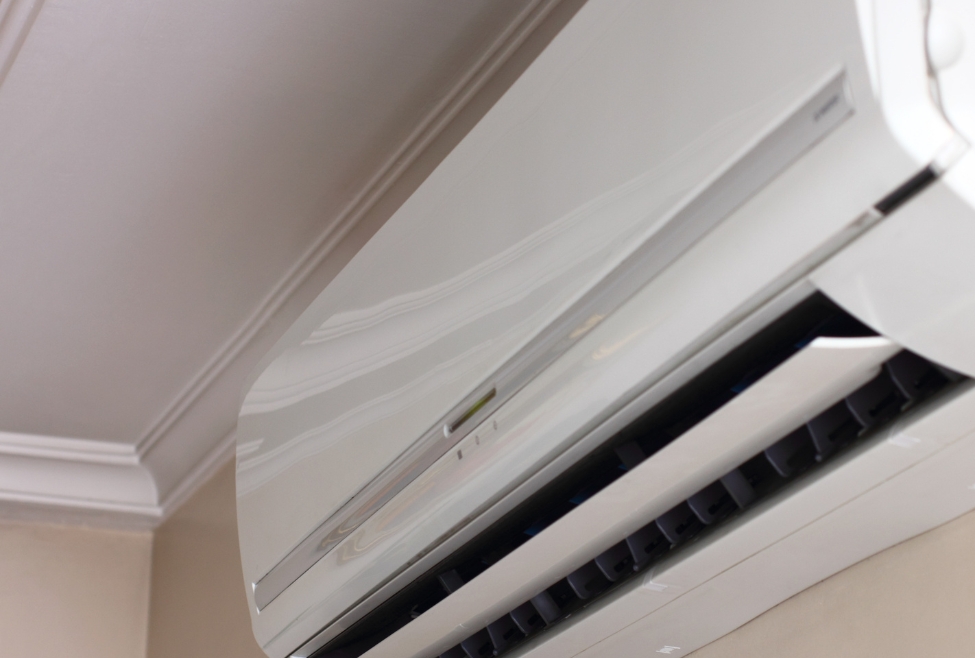
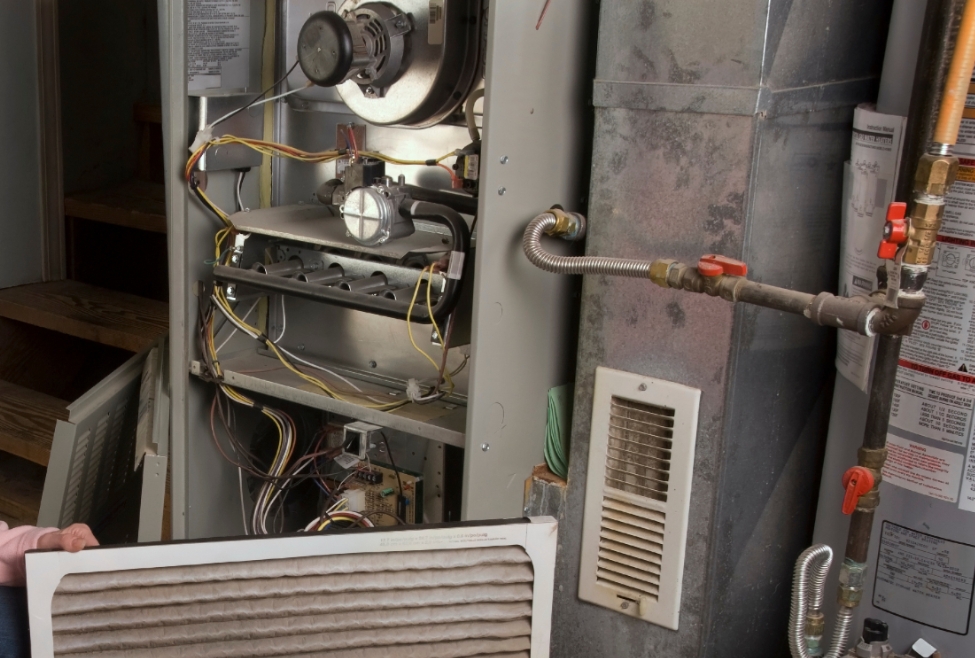
2. Clean Evaporator Coils (Indoor Unit)
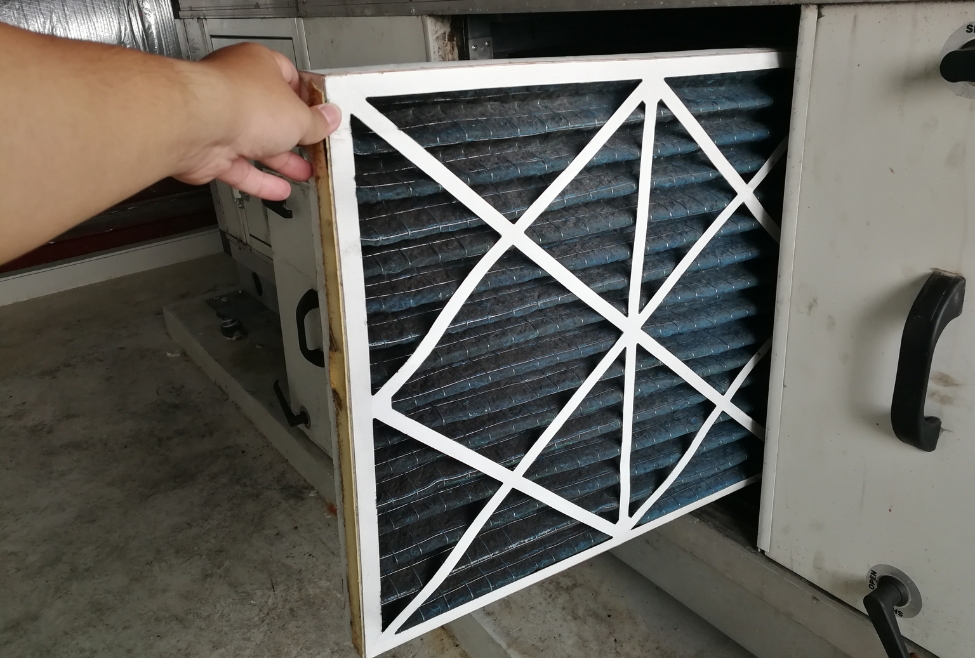
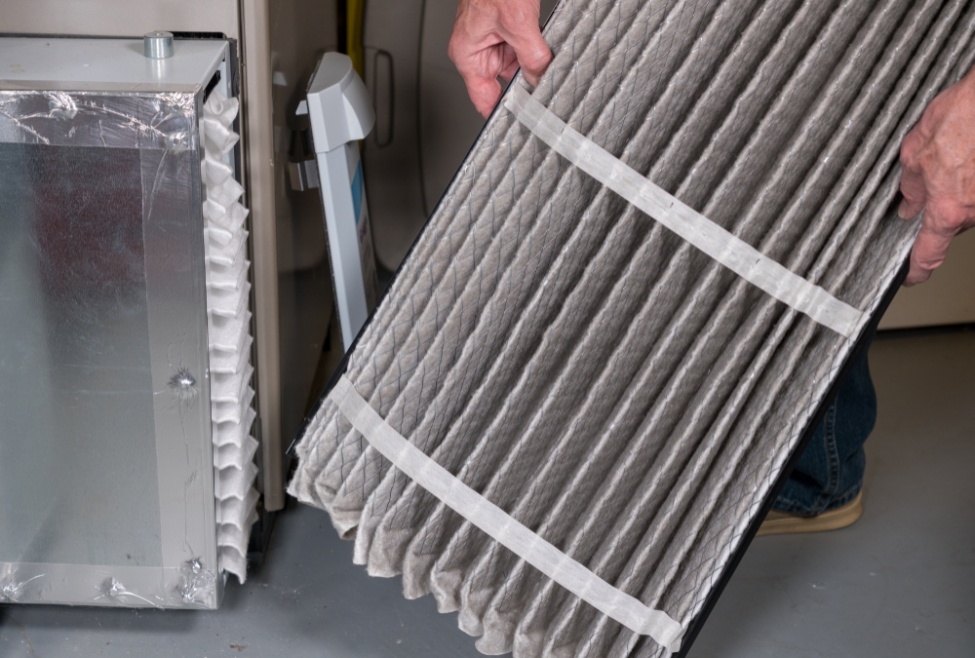
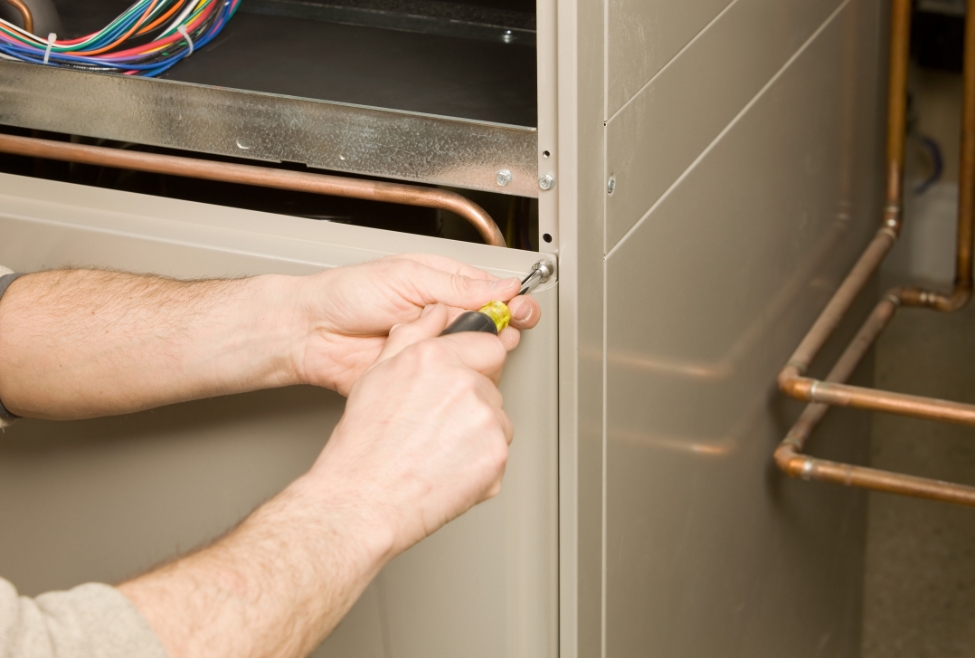
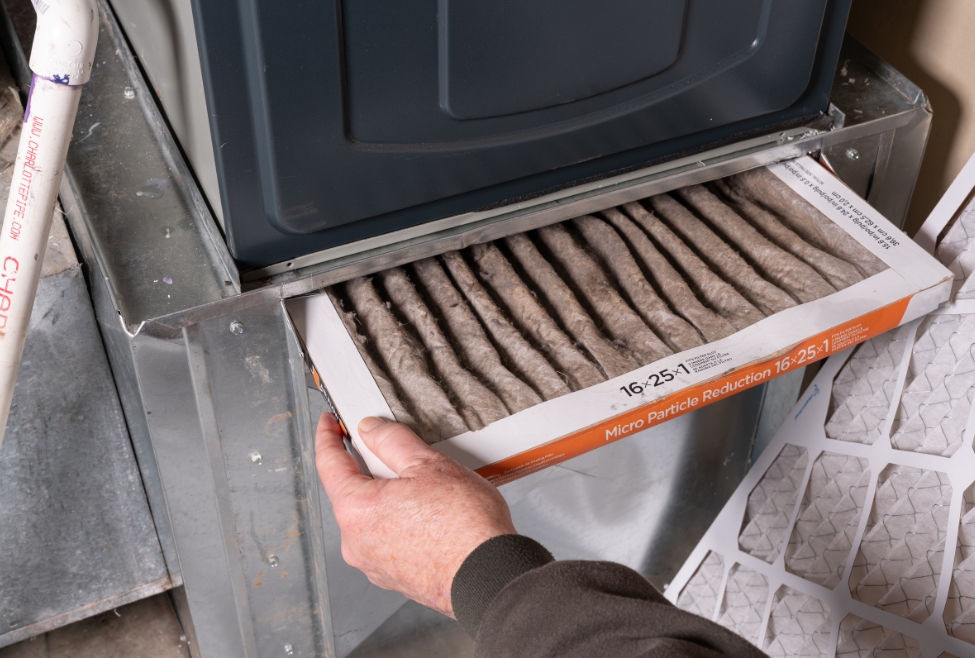
- Remove the access panel to expose the coils.
- Gently vacuum off dust and debris using a soft-bristle attachment.
- Apply a no‑rinse foaming cleaner and let it dissolve grime.
- Use a fin comb to straighten any bent fins for improved airflow.
- Replace the access panel and restore power.
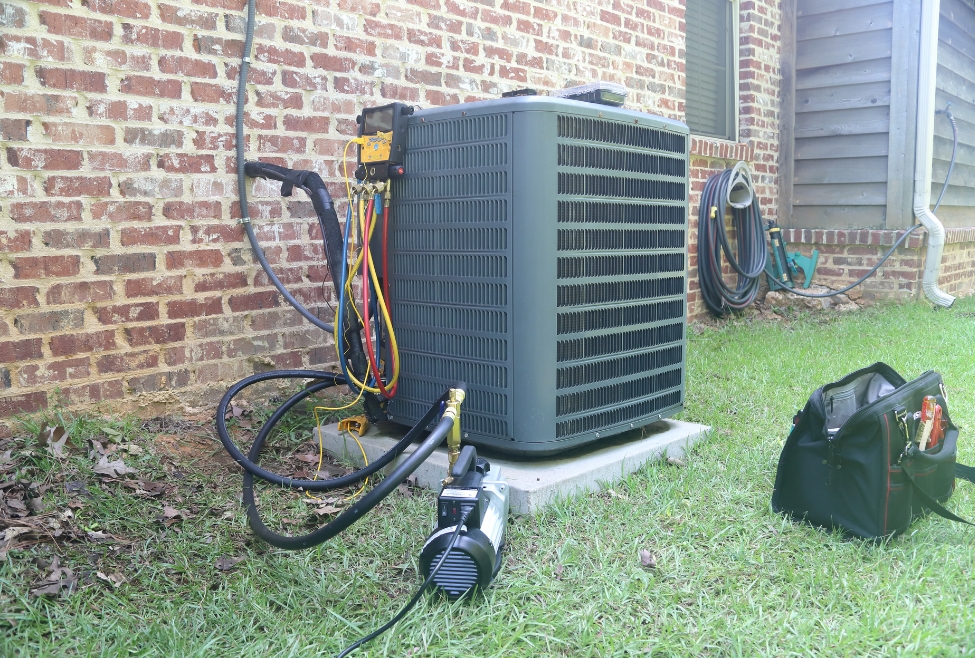
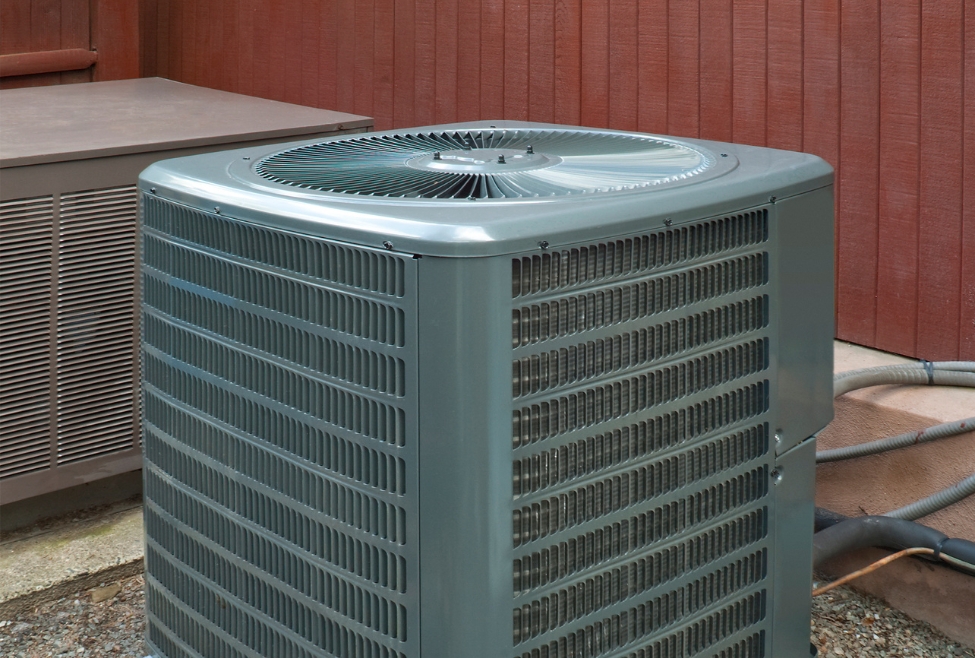
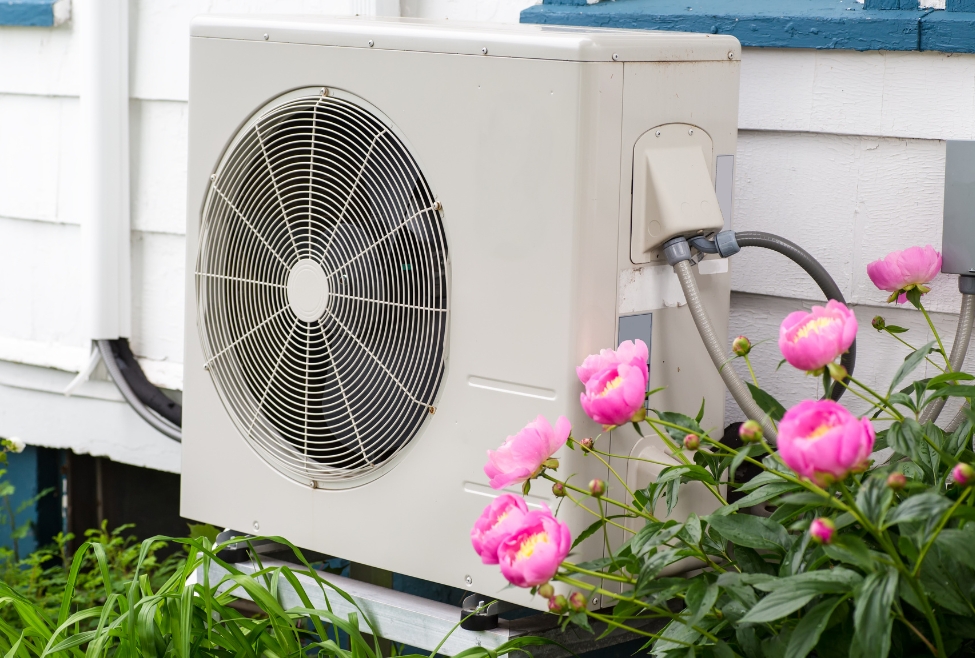
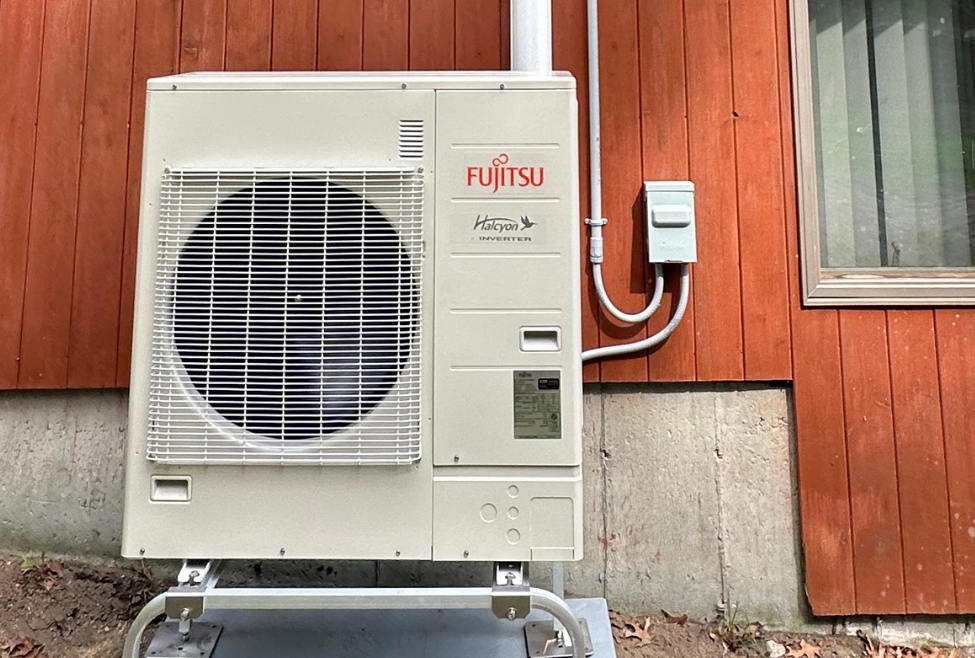
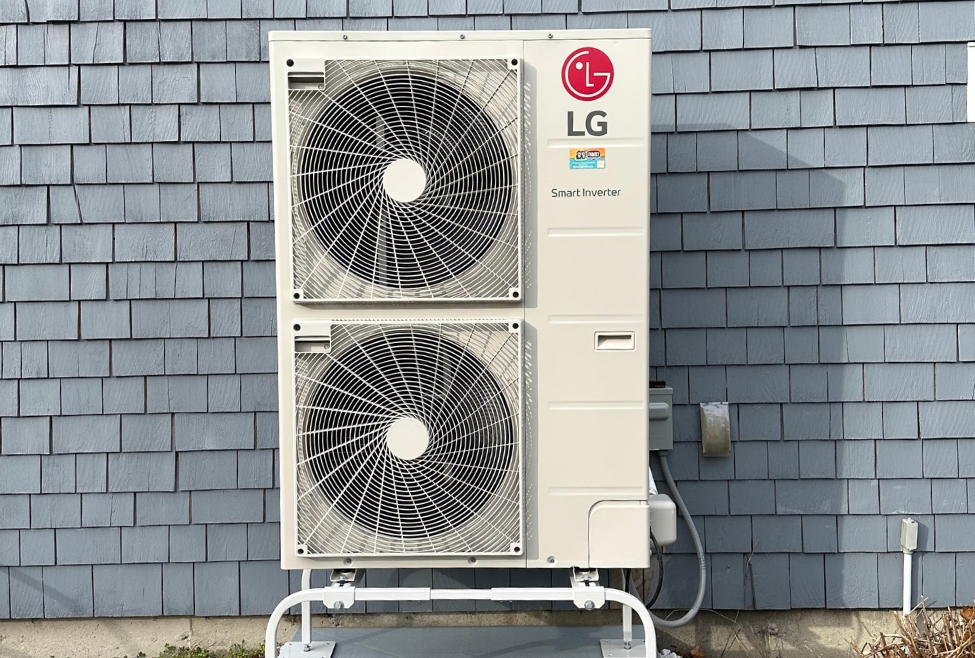
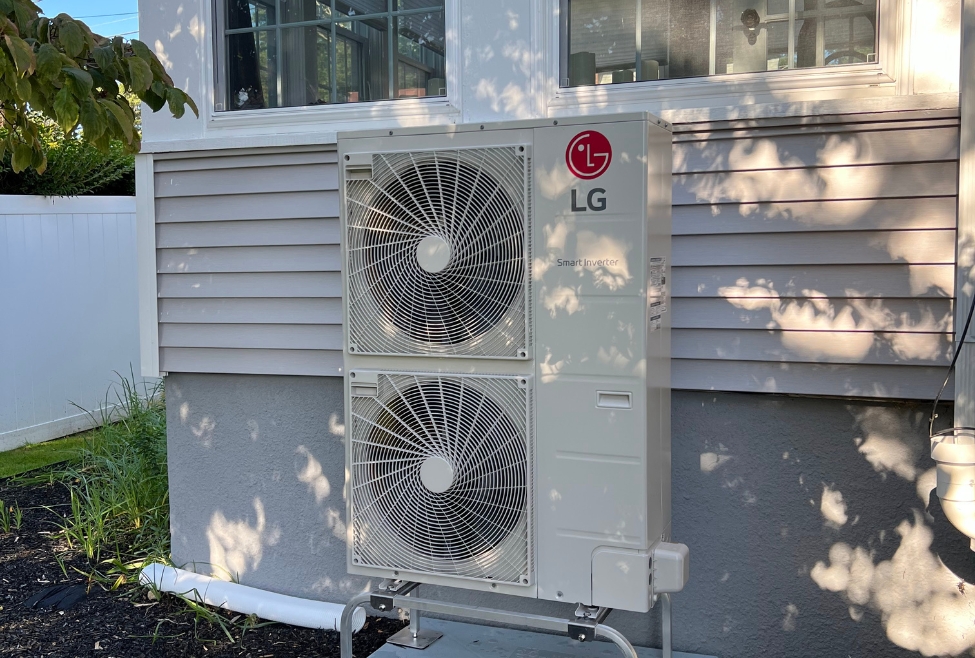
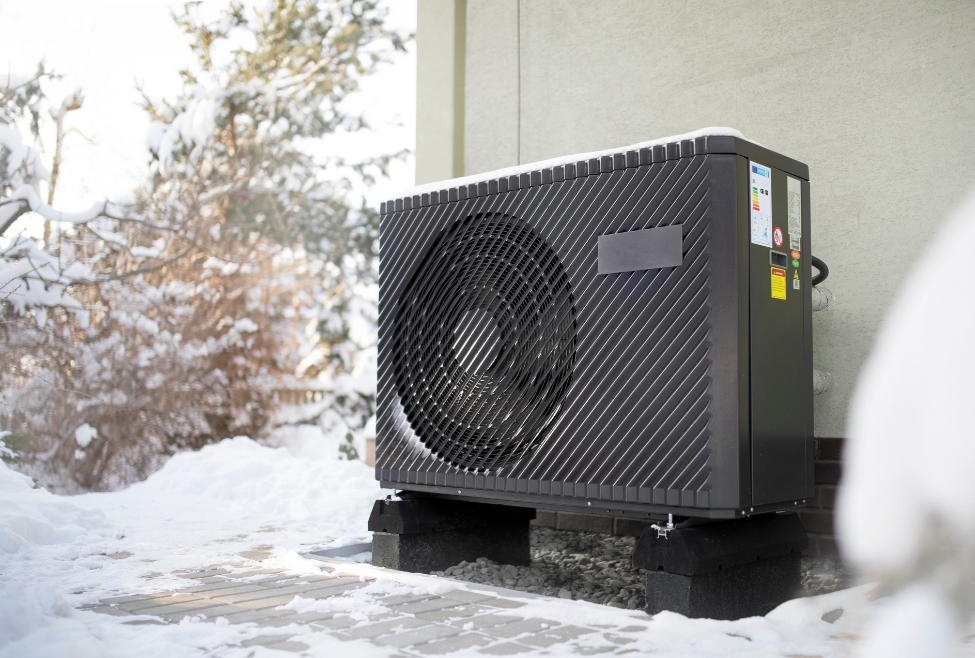
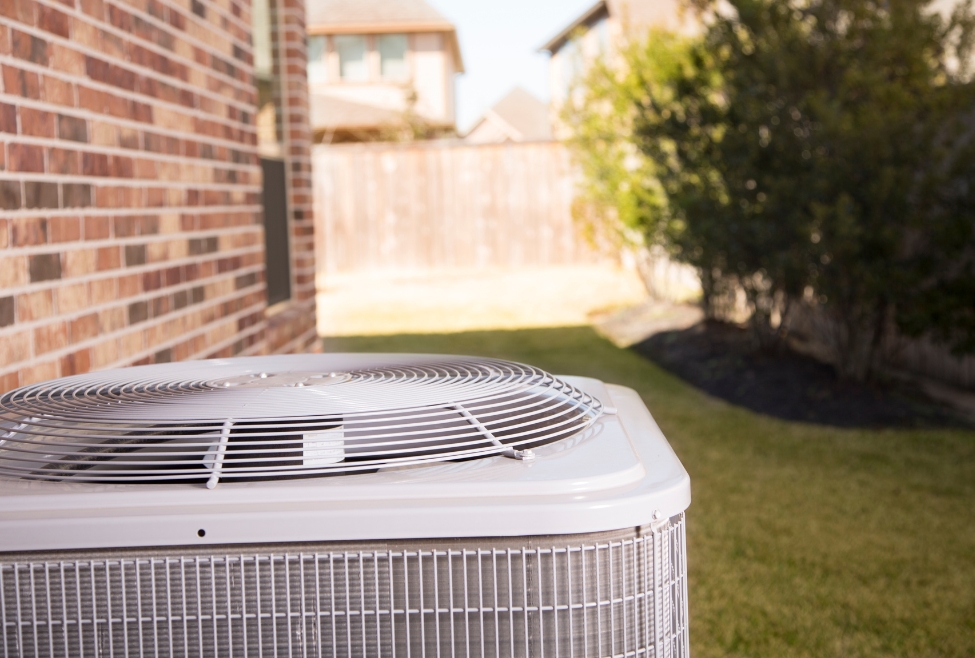
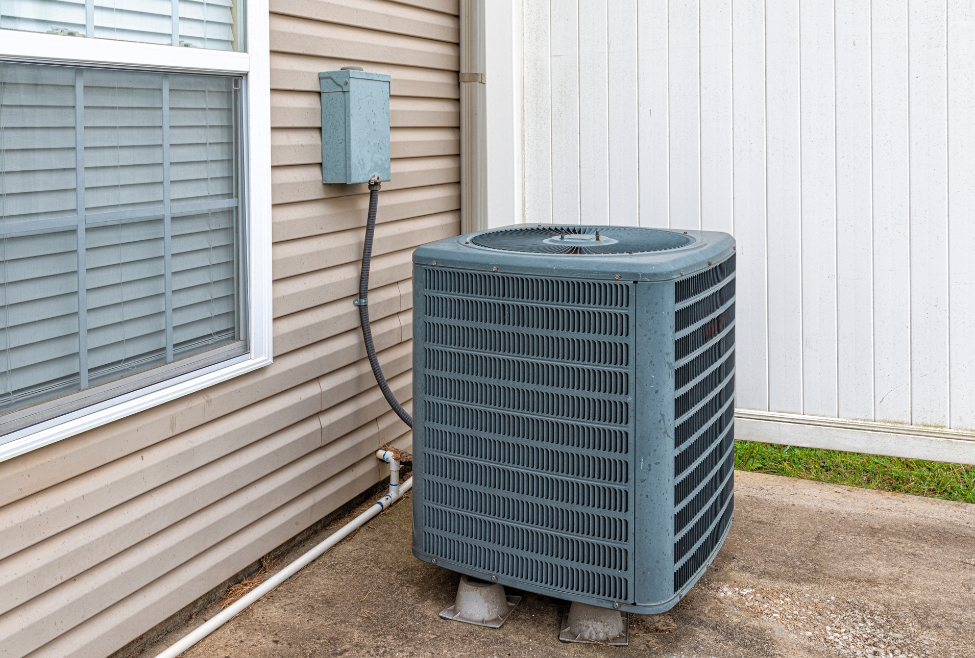
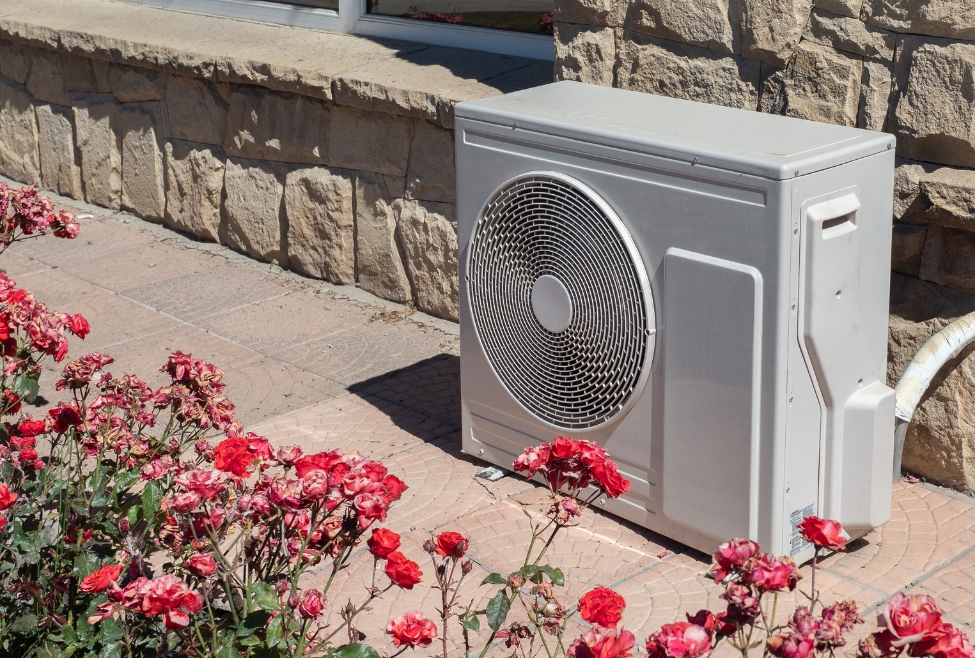
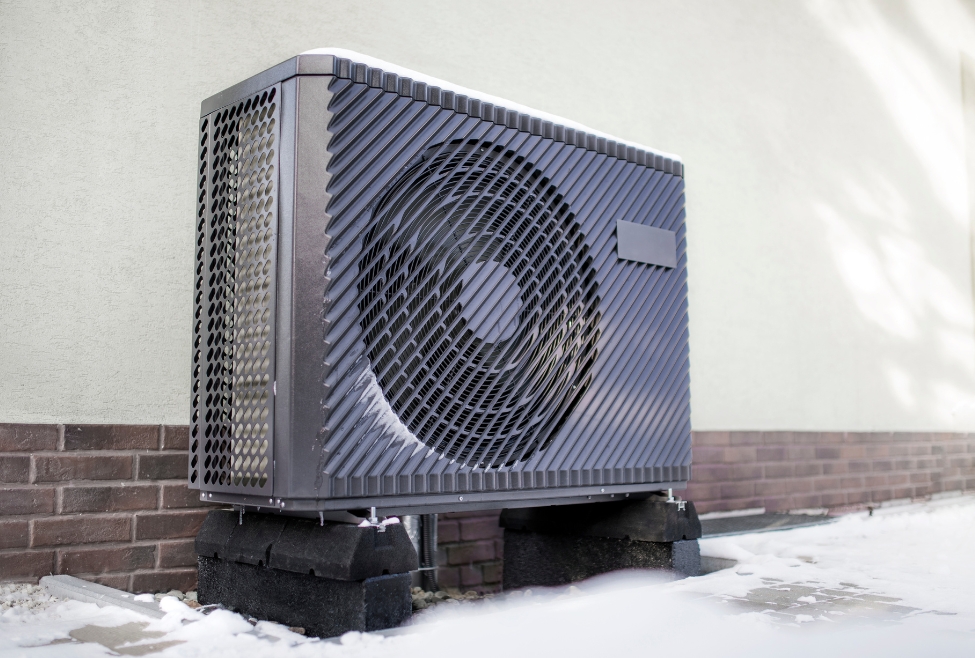
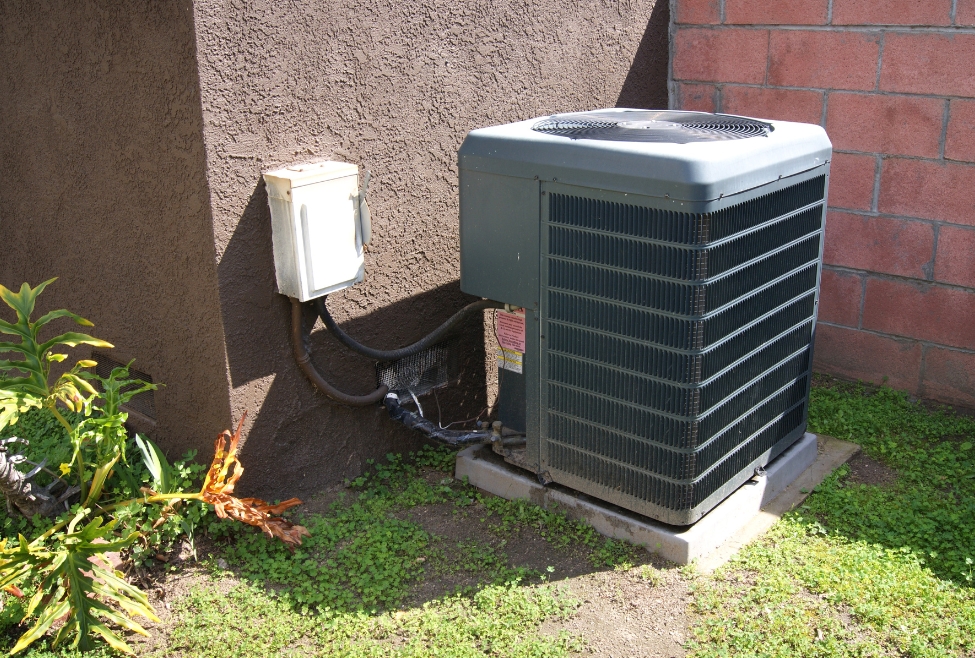
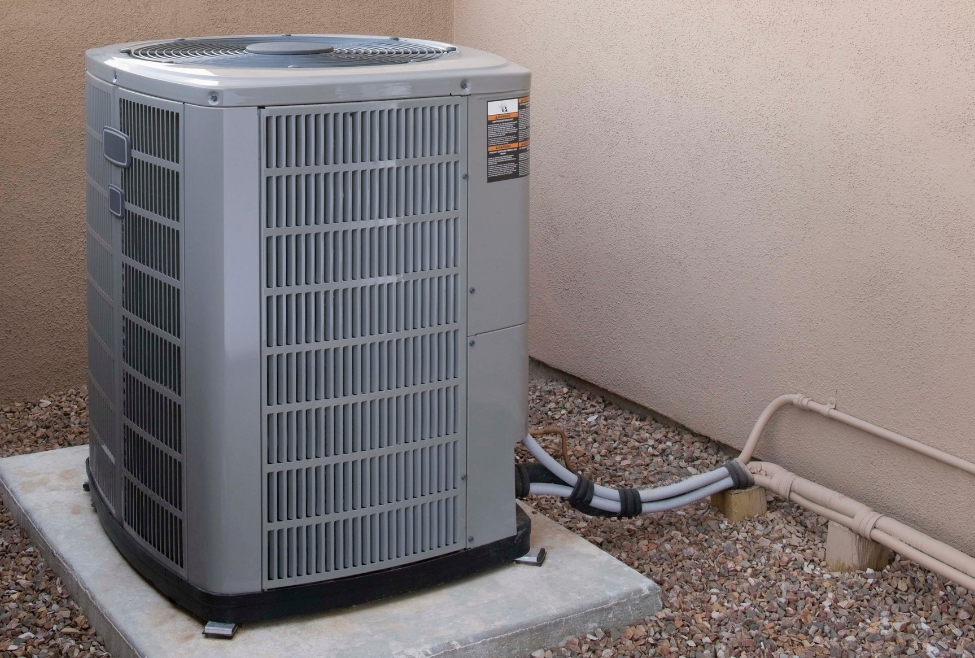
3. Clean Condenser Coils (Outdoor Unit)
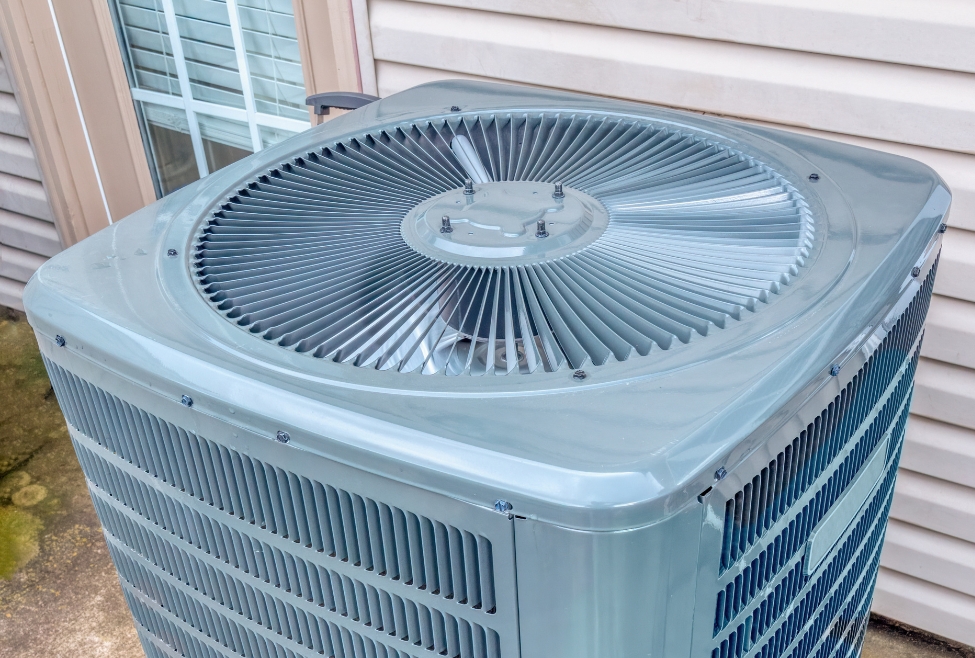
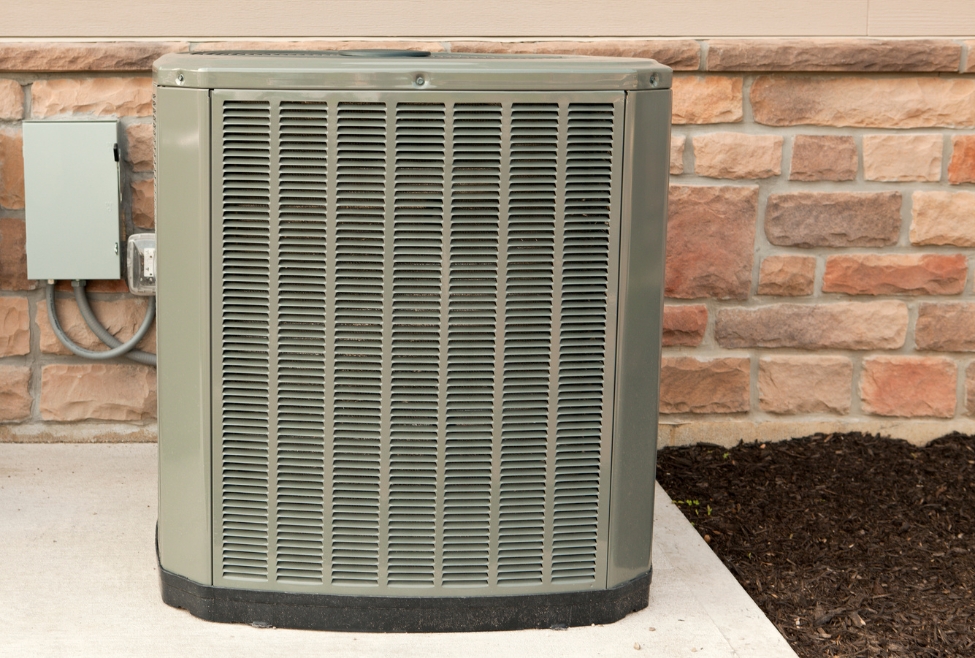
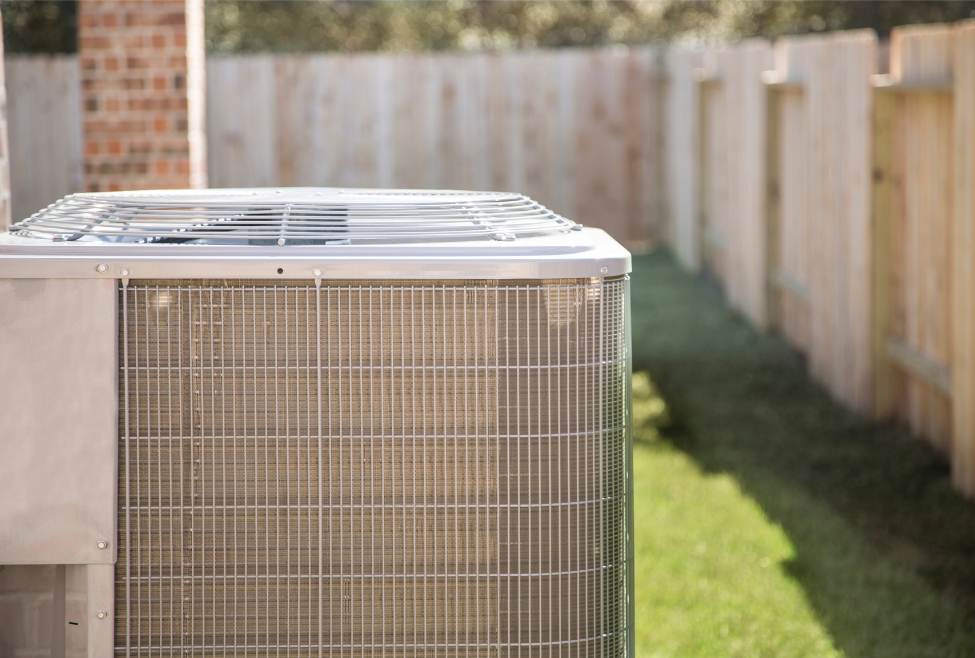
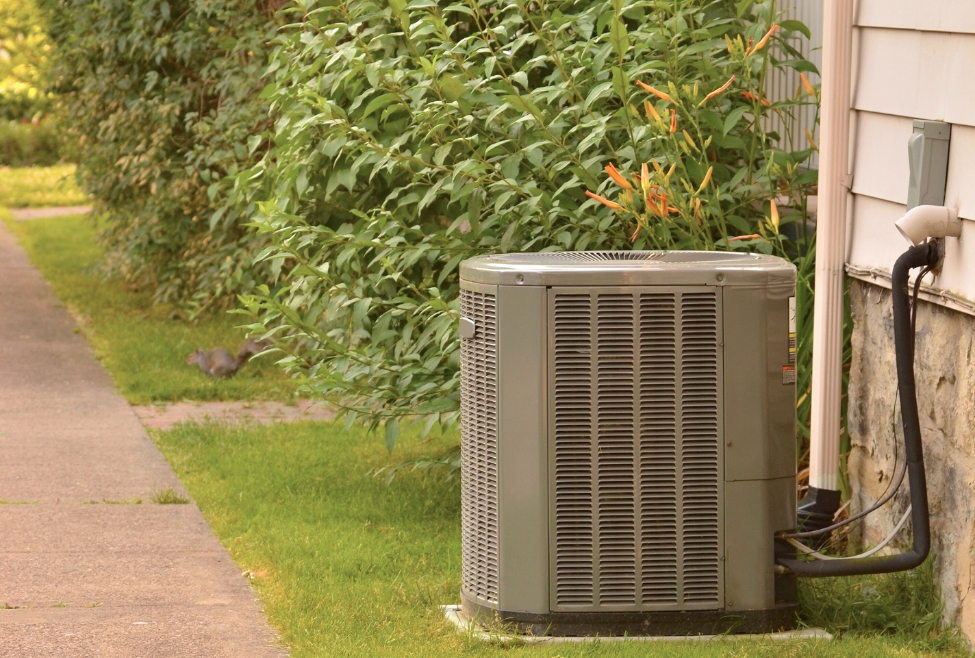
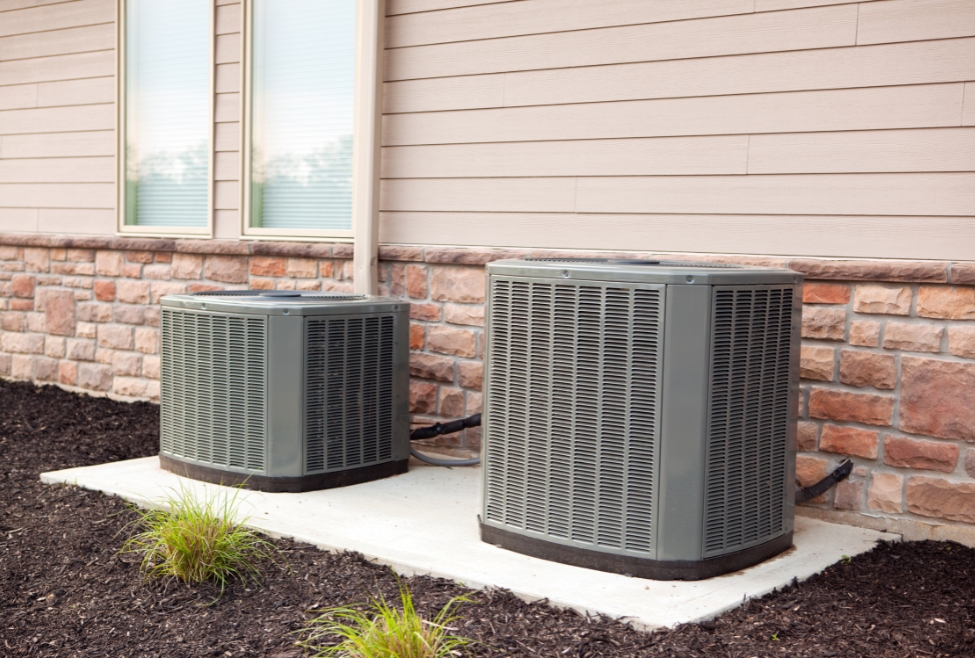
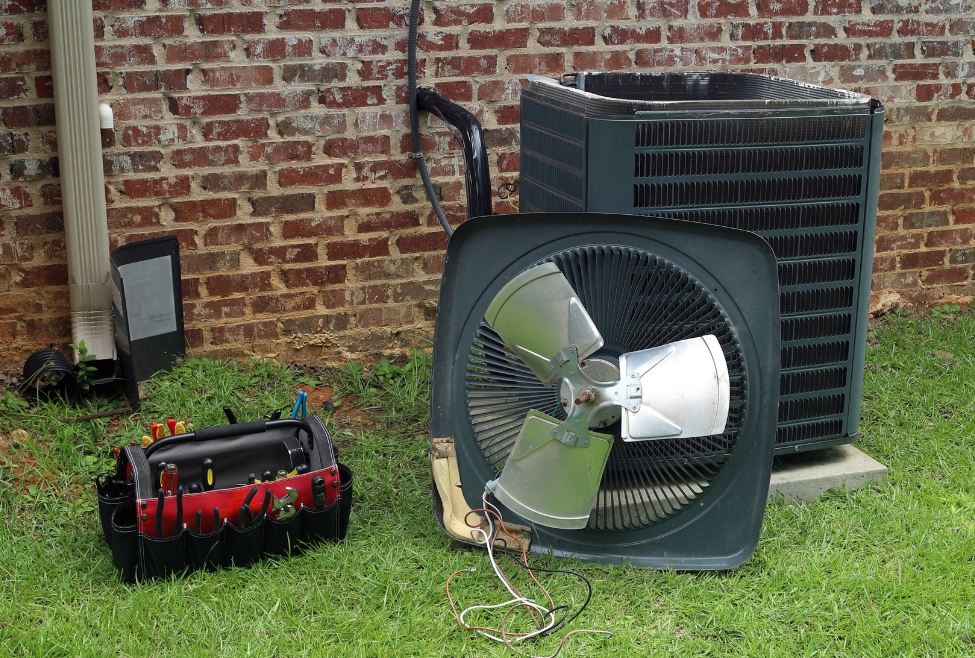
- Remove the outer cover to access the coils.
- Clear away leaves, grass, and other debris.
- Spray a coil cleaner and wait 5–10 minutes.
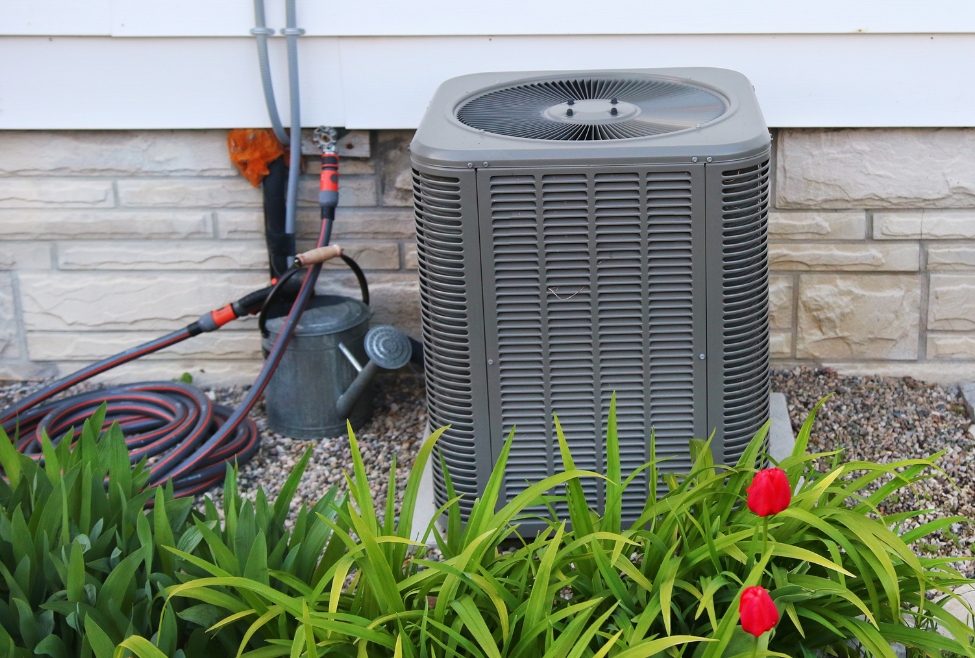
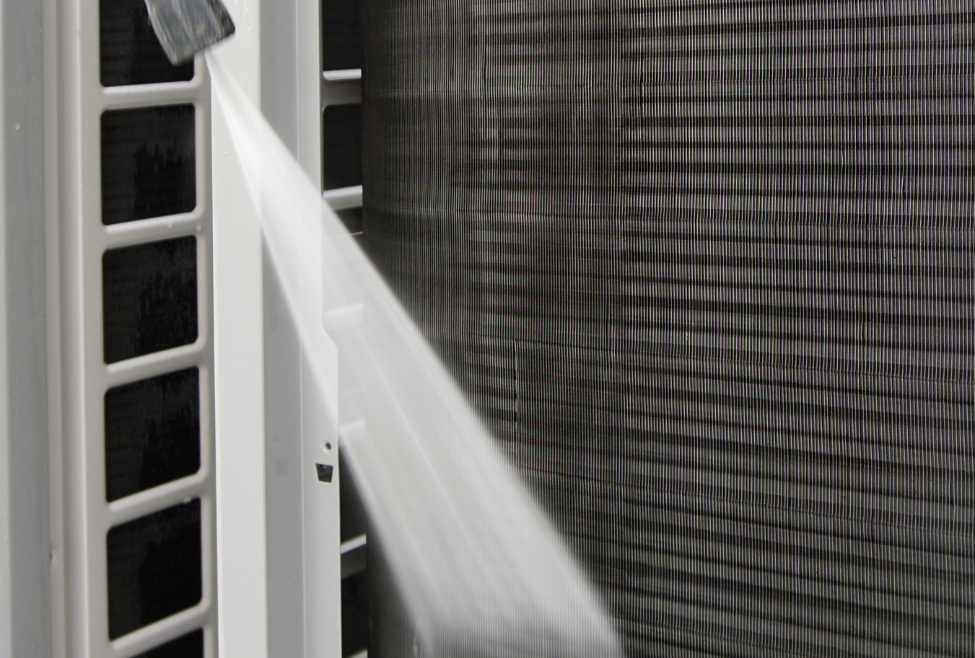
- Rinse thoroughly from inside out using a garden hose—avoid pressure washers to prevent fin damage.
- Reassemble the unit and clear surrounding area before restoring power.
The Benefits of Clean Coils
Maintaining clean coils helps your system:
- Restore peak cooling power
- Reduce energy consumption and utility bills
- Avoid premature failures of major components
- Prevent mold and improve indoor air quality
DIY or Hire a Pro?
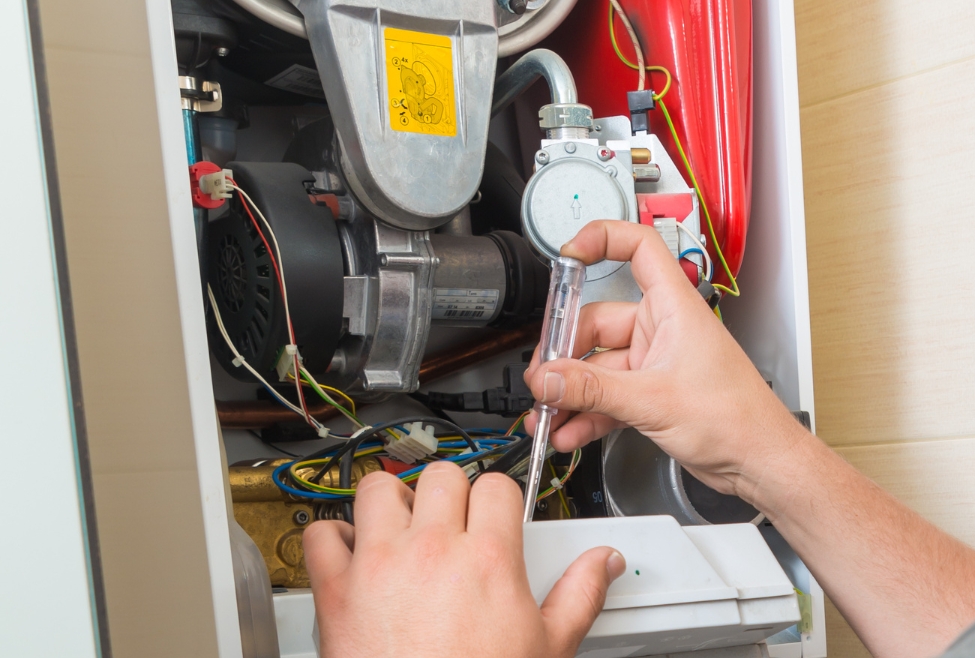
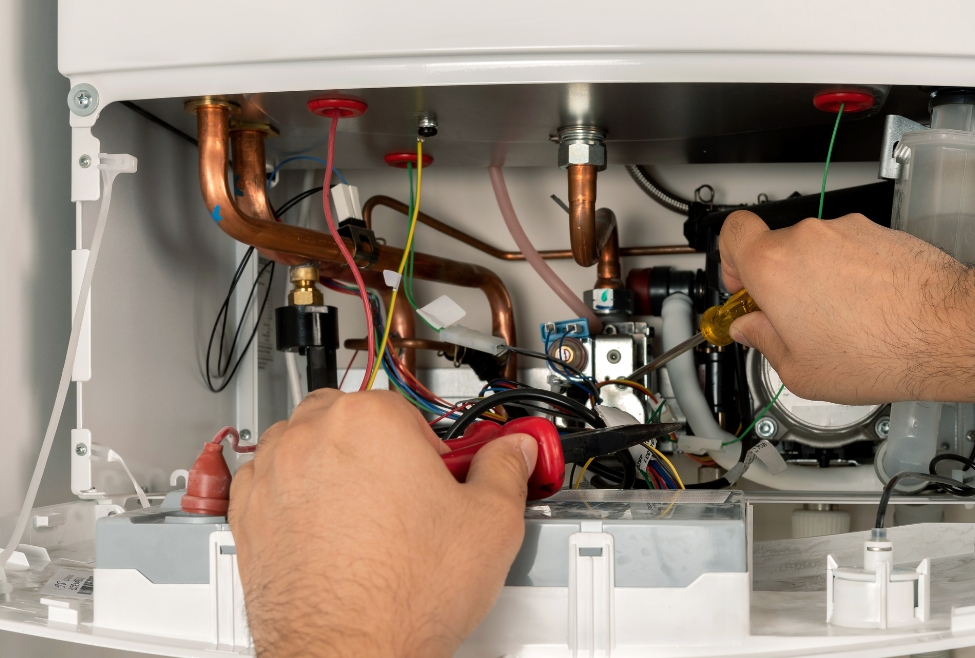
While cleaning coils yourself can save money, professionals bring expertise, safety, and thoroughness—especially when access or drainage issues exist. Consider combining this task with broader services like seasonal HVAC maintenance.
Get Expert Help in Your Area
If you’re located in New Bedford, Fall River, Taunton, Dartmouth, Fairhaven, or Westport, our certified technicians can handle AC coil cleaning, diagnostics, and system tune-ups with precision and care. Contact us today to schedule your appointment!
FAQs
Can you clean your AC coils yourself?
Yes, many homeowners clean their own AC coils—especially the outdoor condenser coils. Using a coil cleaner spray and a garden hose, you can remove dirt and debris effectively. However, indoor evaporator coils are harder to access and clean properly without damaging delicate fins or components. If you’re not comfortable working around HVAC parts or handling electrical disconnections, it’s safer to call a professional for air conditioner maintenance and coil cleaning.
How often do air conditioner coils need to be cleaned?
Ideally, you should clean your AC coils once a year, usually before the cooling season begins. However, if your system runs frequently, is located near trees or dusty areas, or has pets in the home, cleaning the condenser coils and evaporator coils more often may be necessary. Regular AC maintenance helps avoid reduced efficiency, poor airflow, and system breakdowns caused by buildup on the coils.
What are the four symptoms of a dirty or blocked condenser coil?
Common signs that your condenser coil is dirty include:
- Warm air blowing from vents even when the AC is running.
- Higher-than-normal energy bills due to reduced efficiency.
- AC running longer than usual without reaching the set temperature.
- Frequent system cycling or unexpected shutdowns.
These are signs that your system may be overworked and in need of professional cleaning or HVAC repair.
Is it safe to spray vinegar on AC coils?
Spraying a vinegar solution (mixed with water) can be a safe, natural way to clean mild grime from coils, particularly indoor evaporator coils. However, vinegar may not be strong enough to remove heavy dirt, grease, or mold. For more thorough cleaning, use a non-acidic foaming coil cleaner or schedule a professional HVAC tune-up.
What not to clean AC coils with?
Avoid using bleach, ammonia, high-pressure washers, or acidic cleaners when cleaning AC coils. These can corrode metal fins, damage protective coatings, and create toxic fumes. Using the wrong cleaner can shorten your system’s lifespan and reduce performance. Stick with coil-specific cleaning products or trust a licensed HVAC technician for safe and effective maintenance.
If you’re unsure about the condition of your coils or want to make sure your system is ready for summer, schedule a professional AC maintenance visit with Family Heating and Cooling today. We proudly serve Somerset, Raynham, Acushnet, Seekonk, Swansea, and Dighton with top-rated HVAC services.

![Air conditioning units outside a residential home with yellow flowers growing nearby, representing the importance of regular AC maintenance and timely repairs to prevent sudden breakdowns. Family Heating and Cooling provides expert AC troubleshooting and repair services in New Bedford, Fall River, and surrounding areas. Contact us now for help with AC not cooling, why did my air conditioner stop working, air conditioning repair near me, air conditioner troubleshooting, AC unit failure, HVAC repair services, AC malfunction fix, broken AC repair, emergency air conditioner service, air conditioning not turning on, why is my AC blowing hot air, air conditioner compressor repair, fixing a non-working air conditioner, air conditioning repair in \[location], HVAC technician near me, affordable AC repair, residential AC services, air conditioning unit inspection, cooling system issues, air conditioning problems, air conditioner maintenance, AC repair services near me, cooling unit issues, AC maintenance, expert HVAC repair, home air conditioning solutions, Family Heating and Cooling services in New Bedford, Fall River, Taunton, Dartmouth, Somerset, Fairhaven.](https://www.myfamilyhvac.com/wp-content/uploads/2025/05/Family-Heating-Cooling-Electric-Inc-Family-Heating-and-Cooling-Why-Did-AC-Stop-Working-Suddenly-AC-Repair-Near-Me-AC-Repair-Fairhaven-MA-HVAC-Repair-Near-Me-HVAC-Repair-Fairhaven-MA.jpg)