

Rusty or Discolored Hot Water: What It Means and Why It Happens
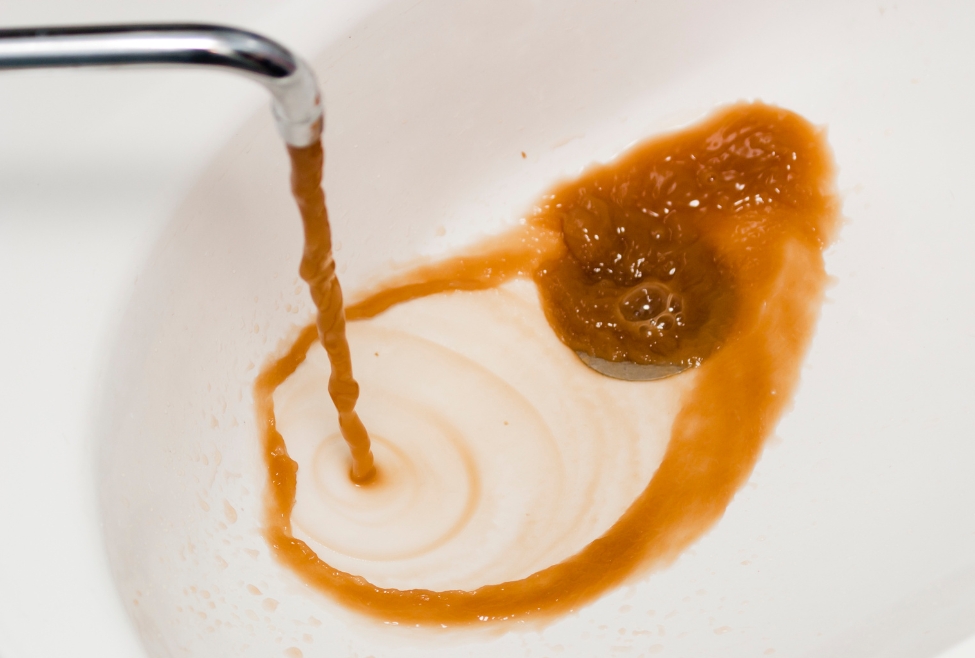
Seeing rusty or discolored hot water coming from your taps can be unsettling, especially when it appears suddenly in your shower, sink, or tub. In most cases, it shows up as brown, orange, or reddish water and often raises immediate concerns about plumbing failure or water safety.
The important thing to understand is that this issue usually points to one of a few common causes: water heater corrosion, sediment buildup, aging pipes, or temporary changes in the water supply. The challenge is figuring out which one applies in your home.
At Family Heating, Cooling, Electric and Plumbing, we often help homeowners in New Bedford, Fall River, Taunton, Dartmouth, Somerset, and Fairhaven, MA identify the real source so they can avoid unnecessary repairs and address the actual problem efficiently.
Identify Where the Discoloration Is Coming From
Before assuming the water heater is failing, it’s important to narrow down the source:
- Hot water only is discolored → likely water heater or hot water piping
- Both hot and cold water are discolored → likely municipal water or main supply issue
- Only one fixture is affected → localized plumbing or faucet issue
This simple check helps separate a full-system problem from a localized one.
Most Common Causes of Rusty or Discolored Hot Water
1. Water Heater Tank Corrosion
One of the most common causes of rusty or discolored hot water is internal corrosion inside the water heater tank. Most tanks contain a sacrificial anode rod designed to attract corrosive minerals. When this rod wears out, rust begins forming inside the tank and eventually mixes with your hot water supply.
Typical signs include:
- Hot water appears brown or reddish
- Water gets worse when the heater runs
- Inconsistent water temperature
- Older water heater (10+ years)
If caught early, replacing the anode rod can help. If corrosion is advanced, replacement is usually the long-term solution.
2. Sediment Buildup in the Tank
Hard water contains minerals that settle at the bottom of the tank over time. This sediment can trap rust particles and reduce heating efficiency. As the system heats water, it stirs up these deposits, which then flow into your plumbing.
This often shows up alongside:
- Rumbling or popping water heater noises
- Slower hot water recovery
- Reduced hot water supply
Regular flushing is one of the most effective ways to prevent this issue.
3. Aging or Corroded Plumbing Pipes
If the discoloration is not isolated to the water heater, the issue may be inside your home’s plumbing lines. Older galvanized steel pipes are especially prone to internal rusting.
Clues include:
- Discoloration in multiple fixtures
- Both hot and cold water affected
- Water clears up after running for a few minutes
In these cases, the issue is often a broader plumbing system concern rather than the water heater itself.
4. Municipal Water Disturbance
Sometimes rusty or discolored hot water has nothing to do with your home at all. Nearby construction, fire hydrant flushing, or water main repairs can stir up sediment in the public water supply.
This usually causes:
- Temporary discoloration in multiple homes
- Cloudy or brown water for a short period
- No change in water heater performance
If this is the cause, the issue typically clears on its own within hours.
Is Rusty or Discolored Water Safe?
In most cases, discolored water is not immediately harmful, but it should not be ignored. While it is often just iron sediment or rust particles, it can indicate deteriorating plumbing or a failing water heater.
If the issue continues for more than a day or worsens over time, it’s important to investigate further to rule out system damage or contamination risks.
What You Can Check Before Calling a Professional
Homeowners can safely perform a few simple checks:
- Run cold water separately from hot water
- Check multiple fixtures throughout the home
- Note whether the issue improves after running water
- Look for water heater age and last maintenance date
However, avoid opening the water heater tank or attempting internal repairs, as pressurized systems and electrical/gas components can be hazardous.
When the Problem Usually Requires Repair or Replacement
Rusty or discolored hot water is more likely to require professional attention when:
- The water heater is 10–15+ years old
- Discoloration happens daily or consistently
- Hot water quality is getting worse over time
- You also notice reduced hot water supply or temperature issues
- The tank shows signs of leaking or corrosion
At this stage, the issue is often no longer just maintenance—it may involve water heater repair or replacement.
How to Prevent Rusty or Discolored Hot Water
Long-term prevention usually comes down to maintenance:
- Flush the water heater annually
- Replace the anode rod periodically
- Monitor changes in water color early
- Schedule routine plumbing inspections
- Address small water quality issues before they spread
Preventative care helps extend system life and reduces the likelihood of sudden water quality changes.
Family Heating, Cooling, Electric and Plumbing provides diagnostic support for water quality concerns, including rusty or discolored hot water, across Swansea, Westport, Seekonk, Raynham, Freetown, and Acushnet, MA. Our approach focuses on identifying whether the issue comes from the water heater, piping, or external supply so homeowners can make informed decisions.
What Rusty or Discolored Hot Water Usually Means
In most homes, rusty or discolored hot water is caused by either water heater corrosion or sediment buildup—but the exact cause depends on where and how the discoloration appears.
The key is to observe the pattern early. Hot-only discoloration usually points to the water heater, while whole-home discoloration suggests plumbing or supply issues. Identifying this difference quickly helps prevent unnecessary repairs and keeps your system running safely and efficiently.
FAQs
What does rusty hot water mean?
When homeowners notice rusty or discolored hot water, it typically indicates corrosion somewhere in the system. Most often, the issue comes from inside the water heater tank where the anode rod has deteriorated, allowing rust to form and mix with the heated water. In other cases, aging galvanized pipes can break down internally and release iron particles into the water supply. While it is not always an immediate safety hazard, it is a strong warning sign that the system is aging or experiencing internal deterioration.
What are the signs of a hot water tank going bad?
A failing water heater usually shows multiple early warning signs before complete breakdown. Common indicators include inconsistent water temperature, reduced hot water supply, rumbling or popping noises from sediment buildup, and visible rusty or discolored hot water. You may also notice moisture or small leaks around the base of the tank. As the unit continues to age, efficiency drops and heating times increase, signaling that internal components like the heating element, tank lining, or anode rod are wearing out.
Why would hot water be discolored?
Hot water becomes discolored for several reasons, but the most common is internal corrosion inside the water heater. When the protective anode rod wears down, rust forms inside the tank and mixes with the hot water. Sediment buildup can also trap minerals and release them into the water supply when the system heats up. Additionally, older plumbing pipes may contribute iron or rust particles. If only hot water is affected, the issue is usually the water heater rather than the main water line.
How much does a plumber charge to change an anode rod?
The cost to replace an anode rod typically ranges from moderate service pricing depending on accessibility, tank condition, and labor time. While the part itself is relatively inexpensive, the total cost varies based on whether the rod is easy to access or if the water heater requires partial disassembly. This service is often recommended during routine maintenance because replacing a worn anode rod can significantly extend the life of the system and help prevent rusty or discolored hot water issues from developing.
How many years do water heaters usually last?
Most traditional tank water heaters last about 8 to 12 years, while some well-maintained systems may reach 15 years. Lifespan depends heavily on water quality, maintenance frequency, and usage levels. Homes with hard water or neglected maintenance schedules often experience shorter lifespans due to sediment buildup and internal corrosion. As water heaters age, issues like inconsistent heating, leaks, and rusty or discolored hot water become more common, signaling that replacement may soon be necessary.
If rusty or discolored hot water persists or worsens, it is usually a sign of internal tank corrosion or plumbing deterioration that should be evaluated before it leads to a full system failure. Contact us today!