

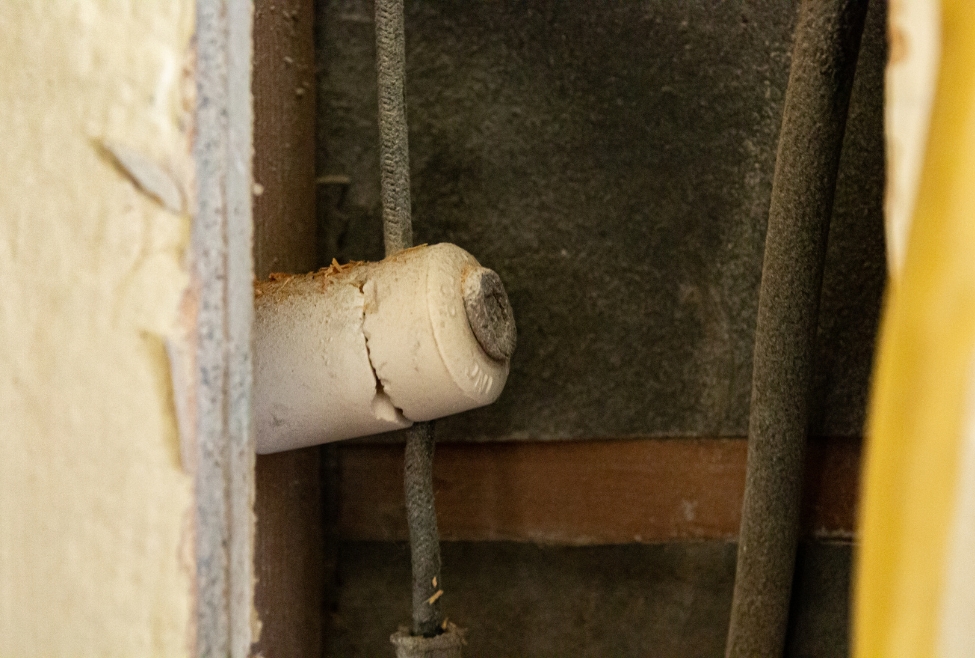
Understanding Knob and Tube Wiring
If you live in an older home, you may notice thin, single-insulated wires running through ceramic knobs and tubes in your walls and ceilings. This is called knob and tube wiring, a system used in homes built before the 1950s. Many homeowners wonder, is knob and tube wiring still legal, and more importantly, is it safe for modern household use?
While local building codes in most areas still allow existing knob and tube wiring under certain conditions, it often does not meet today’s electrical safety standards. Risks include:
- Outdated insulation that can deteriorate over time
- Lack of grounding for modern appliances
- Limited electrical capacity for today’s devices
- Increased risk of overheating and electrical fires
Understanding the state of your wiring helps prevent hazards, improve energy efficiency, and ensure your home is compliant when selling or upgrading your electrical system.
Common Problems with Knob and Tube Wiring
Older wiring systems often experience issues due to age and increased household electrical demands. Some of the most common problems include:
- Flickering lights or dimming when multiple devices run simultaneously
- Frequent breaker trips due to overloaded circuits
- Overheating wires that can damage insulation
- Inability to support modern appliances like HVAC systems, smart home devices, or kitchen electronics
Many of these issues are identified during professional electrical inspections, which evaluate the condition of your wiring and determine if repairs or replacements are necessary. For urgent problems, licensed electricians can provide emergency electrical services to restore safety and functionality.
Why Upgrading Knob and Tube Wiring Matters
Replacing or upgrading knob and tube wiring has several benefits:
- Improved safety: Reduces risk of electrical fires and shock hazards
- Code compliance: Many home insurance providers require updated wiring for coverage
- Enhanced capacity: Supports modern electrical loads, smart home devices, and appliances
- Energy efficiency: Reduces energy loss through outdated insulation and connections
- Peace of mind: Ensures your home is safe for your family and guests
Upgrades also make it easier to add modern electrical solutions like recessed lighting, ceiling fans, or new HVAC systems, enhancing comfort and convenience in your home.
How Professional Services Can Help
Licensed electricians from Family Heating, Cooling and Electric provide comprehensive services to help homeowners manage outdated wiring:
- Electrical inspections to assess knob and tube wiring condition
- Knob and tube replacement to meet modern safety standards
- Electrical upgrades for HVAC, heating, and cooling systems
- Emergency electrical services for immediate safety concerns
- Routine maintenance to prolong system life and prevent hazards
These services not only improve safety but also protect your home’s value and reduce unexpected repair costs.
Schedule Your Electrical Inspection Today
Family Heating, Cooling and Electric proudly serves homeowners in New Bedford, Fall River, Taunton, Dartmouth, Somerset, and Fairhaven, MA. Our licensed electricians provide safe, reliable knob and tube wiring assessments, replacements, and electrical upgrades. We help homeowners navigate code compliance, safety concerns, and modernization projects to ensure homes are safe and functional.
Protect your home and family by ensuring your electrical system is safe and up-to-code. Contact Family Heating, Cooling and Electric today to schedule a professional inspection or wiring service.
FAQs
Is it worth buying a house with knob and tube wiring?
Buying a house with knob and tube wiring can be risky. While some homes may function safely with this system, it often lacks modern safety features, including proper grounding. Homes with knob and tube wiring may face insurance challenges and higher maintenance costs, so it’s important to have a professional inspection before purchasing.
Is it okay to leave knob and tube wiring?
In many cases, older knob and tube wiring can remain in use if it’s in good condition, but it often deteriorates over time. Frayed insulation, outdated connections, and lack of grounding make it unsafe for modern electrical loads. Professional electrical evaluation is recommended to determine whether repair or replacement is necessary.
When did they stop using knob and tube wiring in the US?
Knob and tube wiring was commonly installed from the 1880s until the 1940s. By the mid-20th century, it was largely replaced by modern wiring methods, such as non-metallic (NM) cable, which is safer and better suited for today’s electrical demands.
Does a house built in 1950 need rewiring?
Homes built in the 1950s may still have outdated electrical systems, including knob and tube wiring or early NM cable. If you notice frequent breaker trips, flickering lights, or insufficient outlets, it may be time to consider rewiring to meet modern safety standards and electrical demands.
Can a house be rewired without removing drywall?
Yes, in many cases, electrical upgrades can be done with minimal drywall removal using techniques like fish tape or surface-mounted conduit. However, full rewiring often requires careful planning, and some drywall removal may be necessary to access hidden wiring safely.