

Warning Signs Every Homeowner Should Know
If you’re wondering what are signs of a bad GFCI outlet, you’re not alone. Ground Fault Circuit Interrupter (GFCI) outlets play a critical role in protecting your home from electrical shock, especially in kitchens, bathrooms, garages, and outdoor spaces. However, like any electrical component, GFCI outlets can wear out, fail, or stop working properly over time.
Recognizing early warning signs helps prevent electrical hazards, nuisance power loss, and potential safety risks. At Family Heating, Cooling, Electric and Plumbing, we help homeowners identify faulty outlets quickly and provide safe, code-compliant electrical repairs.
Below, we’ll break down the most common symptoms, what causes GFCI failure, and when professional electrical service is the safest solution.
Why GFCI Outlets Are So Important
GFCI outlets are designed to shut off power instantly when they detect a ground fault. This fast response helps prevent electrical shock, fire risks, and appliance damage.
Because they are frequently exposed to moisture and heavy usage, these outlets are more prone to wear than standard receptacles. As a result, regular inspection and timely replacement are essential for maintaining electrical safety.
What Are Signs of a Bad GFCI Outlet?
1. The Outlet Won’t Reset
One of the clearest signs of a failing GFCI outlet is when the reset button will not stay engaged. This may indicate internal damage, wiring problems, or moisture intrusion.
If your outlet repeatedly fails to reset, professional electrical troubleshooting and outlet repair is often necessary to restore safe operation.
2. Frequent Tripping Without an Obvious Cause
Occasional tripping is normal. However, repeated tripping without any appliance overload may signal:
- Internal outlet failure
- Ground faults in connected devices
- Wiring issues behind the wall
- Moisture exposure in outdoor or bathroom circuits
In these cases, a licensed electrician can perform electrical safety inspection and circuit diagnostics to locate the root cause.
3. No Power at the Outlet
If your GFCI outlet has no power—even after resetting—it could indicate a failed receptacle, loose wiring, or a tripped upstream GFCI protecting the circuit.
Many homeowners experiencing power loss benefit from outlet replacement and wiring repair to restore reliable power.
4. Burning Smell, Warm Outlet, or Discoloration
Heat buildup is never normal. If you notice a burning odor, melted plastic, or discoloration, stop using the outlet immediately.
These symptoms may indicate dangerous wiring problems, overloaded circuits, or deteriorating outlet components requiring urgent electrical repair services.
5. The Test Button Doesn’t Trip the Outlet
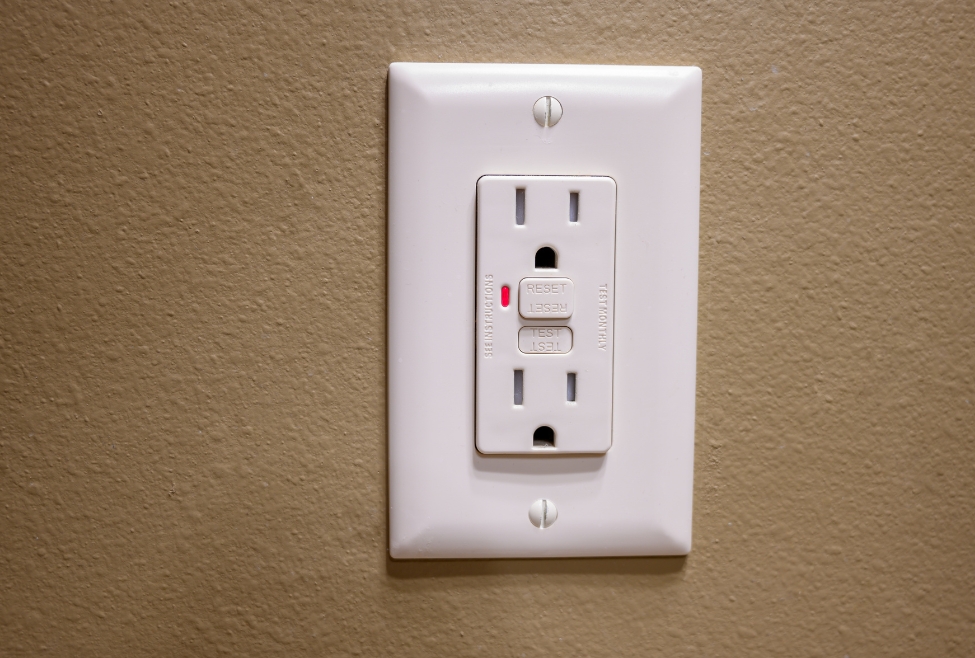
A properly functioning GFCI outlet should trip when you press the TEST button. If nothing happens, the outlet may no longer provide protection—even if it appears to work.
Because this creates a hidden safety hazard, professional GFCI outlet replacement and electrical upgrades are strongly recommended.
What Causes GFCI Outlets to Fail?
Several factors contribute to GFCI outlet failure over time:
- Moisture exposure in bathrooms, kitchens, and outdoors
- Aging electrical components
- Loose or damaged wiring
- Power surges and electrical storms
- Frequent tripping due to overloaded circuits
Homeowners often combine GFCI replacement with electrical panel upgrades or dedicated circuit installation to improve overall system reliability.
Preventing GFCI Outlet Problems
Fortunately, you can reduce the likelihood of outlet failure by taking proactive steps:
- Test GFCI outlets monthly
- Avoid overloading bathroom and kitchen circuits
- Replace outlets older than 10 years
- Schedule routine home electrical safety inspections
- Install weather-resistant outlets for outdoor locations
Preventative maintenance not only improves safety but also reduces unexpected electrical repairs.
When to Call a Professional Electrician
While resetting a GFCI outlet is simple, recurring problems often point to deeper electrical concerns. If you notice persistent tripping, heat, power loss, or failed testing, professional evaluation is the safest choice.
Our electricians provide:
- GFCI outlet installation and replacement
- Electrical troubleshooting and repair
- Circuit breaker and panel upgrades
- Whole-home electrical safety inspections
- Bathroom, kitchen, and outdoor electrical upgrades
These services help protect your home, appliances, and family from electrical hazards.
Schedule Safe GFCI Outlet Repair Today
Family Heating, Cooling, Electric and Plumbing proudly serves homeowners in New Bedford, Fall River, Taunton, Dartmouth, Somerset, and Fairhaven, MA. We understand local electrical code requirements and provide safe, reliable solutions tailored to your home.
So, what are signs of a bad GFCI outlet? The most common indicators include outlets that won’t reset, frequent tripping, loss of power, overheating, and failed testing. Addressing these issues early helps prevent electrical hazards and costly repairs.
If you suspect a faulty outlet, Family Heating, Cooling, Electric and Plumbing is ready to help with expert diagnostics, safe replacement, and dependable electrical upgrades.
Contact our team today to restore safety, reliability, and peace of mind throughout your home.
FAQs
How do you fix a GFCI that keeps tripping?
If your GFCI outlet keeps tripping, it typically indicates a ground fault, moisture exposure, overloaded circuit, or a failing outlet. Start by unplugging all devices connected to the outlet and pressing the reset button. If the outlet holds, plug devices back in one at a time to identify a faulty appliance.
However, if the GFCI continues tripping with nothing plugged in, the issue may involve hidden wiring problems, outdoor moisture intrusion, or a worn outlet that can no longer detect current properly. In these situations, professional electrical troubleshooting, GFCI outlet replacement, and circuit inspection may be necessary to eliminate safety risks and restore reliable power.
What should not be plugged into a GFCI outlet?
While GFCI outlets are designed for safety, certain devices may cause nuisance tripping or performance issues, including:
- Refrigerators or freezers (unless dedicated circuits are installed)
- Sump pumps and sensitive motor-driven appliances
- Older appliances with minor ground leakage
- High-powered tools sharing the same circuit
- Equipment requiring uninterrupted power
These devices can create small current imbalances that trigger GFCI protection even when no hazard exists. If nuisance tripping occurs frequently, installing dedicated circuits, standard receptacles where permitted, or performing electrical load balancing can help improve performance while maintaining safety.
How do you tell if a GFCI outlet is bad?
A bad GFCI outlet often shows clear warning signs. You may notice the outlet won’t reset, fails to trip when tested, frequently loses power, or feels warm to the touch. In some cases, connected outlets downstream may also stop working.
Another strong indicator is when pressing the TEST button does nothing. This suggests the outlet is no longer providing shock protection, even if it appears functional. Homeowners experiencing these symptoms often require GFCI outlet testing, electrical outlet repair, or outlet replacement to maintain proper protection in moisture-prone areas.
What are common GFCI problems?
Some of the most common GFCI outlet problems homeowners experience include:
- Frequent tripping without a visible cause
- Moisture entering outdoor or bathroom outlets
- Loose wiring connections behind the outlet
- Aging internal components that reduce sensitivity
- Improper installation or line/load wiring reversal
- Multiple outlets losing power due to one tripped GFCI
Because GFCI outlets protect entire sections of a circuit, a single failure can create widespread power issues. Professional electrical diagnostics, bathroom and kitchen outlet upgrades, and outdoor weather-resistant outlet installation can resolve these problems and improve overall electrical safety.
What is the rule for GFCI outlets?
Electrical safety codes require GFCI protection anywhere electricity and moisture may come into contact. This typically includes:
- Bathrooms
- Kitchens (especially near sinks)
- Garages and unfinished basements
- Outdoor outlets
- Laundry areas
- Crawl spaces and utility rooms
These rules exist to reduce the risk of shock and electrical injury. Modern code updates also expand protection requirements as home electrical demands grow. Homeowners completing renovations or upgrades often add code-compliant GFCI installation, electrical panel updates, and home safety inspections to ensure their systems meet current safety standards.
Need Help With a Faulty or Tripping GFCI Outlet?
If you’re experiencing persistent tripping, power loss, or safety concerns, the electricians at Family Heating, Cooling, Electric and Plumbing can diagnose the issue and provide safe, reliable solutions. Whether you need GFCI outlet replacement, electrical troubleshooting, or a full home electrical safety inspection, our team is ready to help protect your home and restore peace of mind.