
Understanding Electrical Panel Costs
Upgrading or replacing an electrical panel is an important decision for any homeowner. Many people ask, how much does a full electrical panel cost? The answer depends on several factors, including panel size, brand, labor, and the complexity of your home’s wiring. Knowing the costs and benefits ahead of time can help you plan your budget and protect your home from electrical hazards.
At Family Heating, Cooling, Electric and Plumbing, we provide expert electrical panel replacement and upgrades for homes in New Bedford, Fall River, Taunton, Dartmouth, Somerset, and Fairhaven, MA. Our licensed electricians ensure every installation meets local safety codes while improving the efficiency and safety of your electrical system.
Factors That Affect Electrical Panel Costs
Several factors influence the price of a full electrical panel:
- Panel Size and Capacity – A 100-amp panel costs less than a 200-amp or 400-amp panel, which is necessary for larger homes or homes with high energy demands.
- Brand and Quality – Premium brands or panels with advanced safety features may increase the cost but can provide long-term reliability.
- Labor and Complexity – Homes with older wiring or outdated systems may require additional labor for safe installation.
- Permits and Inspections – Local code compliance often requires permits and inspections, which can affect total costs.
Typically, the cost ranges from $1,500 to $4,000 for most residential installations. While it’s an investment, replacing or upgrading an outdated panel can prevent electrical hazards, improve power efficiency, and accommodate modern appliances.
Signs You Might Need a New Electrical Panel
Knowing when to upgrade can save money and reduce risks. Common indicators include:
- Frequent circuit breaker trips
- Flickering or dimming lights
- Outlets that feel warm or spark
- Homes with older fuse boxes instead of circuit breakers
- Upgrading your home for new appliances or HVAC systems
Replacing a panel before it fails prevents potential electrical fires and keeps your home running safely and efficiently.
Benefits of Professional Electrical Panel Installation
Hiring licensed electricians ensures the installation is safe, reliable, and code-compliant. Professional service includes:
- Properly sizing the panel for your home’s needs
- Safe wiring and grounding
- Testing for voltage stability and load capacity
- Replacing outdated breakers or fuses
Additionally, professional upgrades may increase the value of your home and provide peace of mind for years to come.
Planning Your Electrical Panel Upgrade
Before upgrading, schedule a consultation with Family Heating, Cooling, Electric and Plumbing. Our team evaluates your current system, explains your options, and provides a clear estimate. Whether you need a full electrical panel replacement, circuit breaker upgrades, or panel safety inspections, we deliver expert solutions in Swansea, Westport, Seekonk, Raynham, Freetown, and Acushnet, MA.
Investing in your home’s electrical safety today prevents costly repairs and hazards tomorrow.
If you’re ready to upgrade your electrical panel or want to know how much a full electrical panel costs, contact Family Heating, Cooling, Electric and Plumbing today for a professional consultation and estimate.
FAQs
What is the difference between a breaker and a panel?
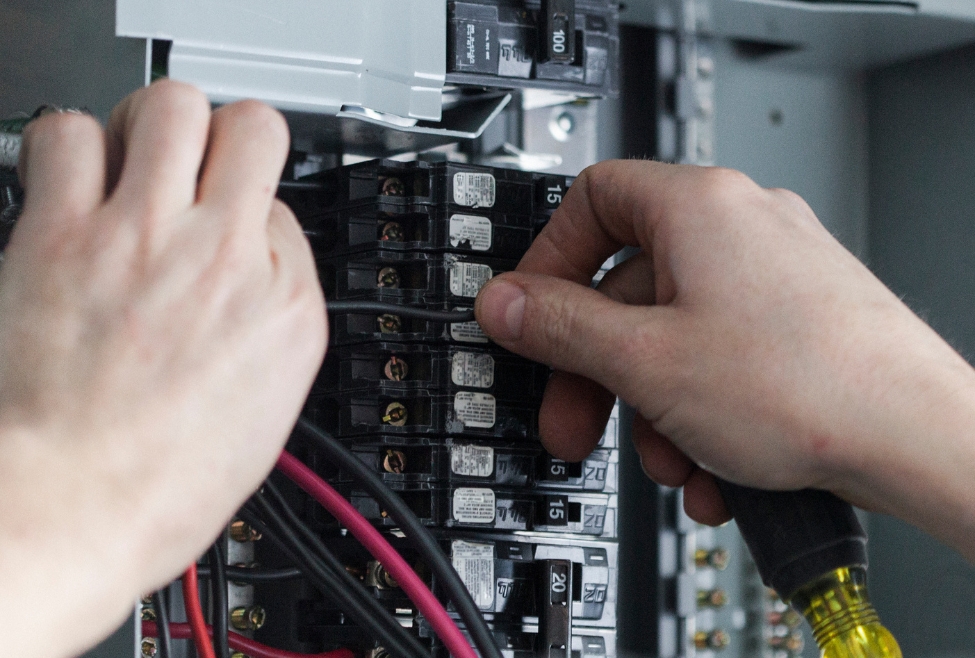
An electrical panel, also called a breaker panel or load center, is the central hub that distributes electricity throughout your home. Circuit breakers are individual switches within the panel that protect each electrical circuit from overloading or short circuits. While the panel organizes and manages your home’s electricity, breakers act as safety devices to prevent fires and damage to wiring. Understanding the difference helps homeowners identify when a panel upgrade or breaker replacement may be needed.
What are the four types of electrical panels?
The four main types of electrical panels are main breaker panels, main lug panels, subpanels, and fused panels. Main breaker panels are the most common and provide a single shutoff for the home, while main lug panels don’t include a main breaker and rely on upstream protection. Subpanels allow you to extend circuits to another area of your home, and fused panels use fuses instead of breakers. Knowing your panel type can help determine if an upgrade is necessary for safety and energy efficiency.
How much does an electrician charge to install a panel?
The cost for a professional electrical panel installation varies based on panel size, complexity, and labor rates. On average, homeowners can expect to pay between $1,200 and $3,500, which typically includes labor, materials, and permits. Additional costs may arise if your home requires rewiring or additional circuits. Hiring a licensed electrician ensures the work is done safely and meets local electrical codes.
Can you upgrade an electrical panel without rewiring the house?
Yes, in some cases an electrical panel upgrade can be done without a full home rewiring, especially if your current wiring is in good condition and the new panel matches your existing circuits. However, older homes with outdated or unsafe wiring may require partial or full rewiring to accommodate higher electrical loads safely. A professional electrician can assess your system and recommend the safest, most cost-effective solution.
Can I replace an electrical panel myself?
Replacing an electrical panel yourself is not recommended due to the high risk of electric shock, fire hazards, and code violations. Electrical panel work requires specialized tools, permits, and knowledge of safety standards. Hiring a licensed professional ensures your panel is installed safely, passes inspections, and protects your home from potential electrical fires or overloads.