

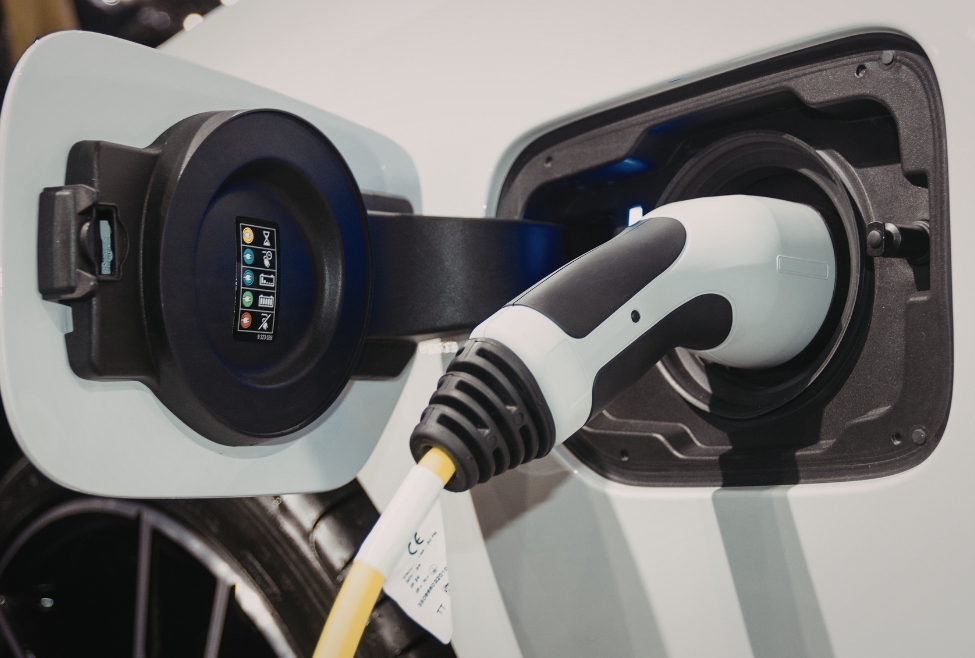
How to Find the Ideal Home EV Charger
Electric vehicles are becoming a mainstay in modern households, and having a reliable home charging station is now essential. Finding the best EV charger for home can save time, maximize efficiency, and ensure your EV battery stays healthy. Whether you live in New Bedford, Fall River, Taunton, Dartmouth, Somerset, or Fairhaven, MA, understanding your options is key to making the right choice.
Why a Home EV Charger Matters
Home EV chargers offer significant advantages over standard outlets:
- Faster charging – Level 2 chargers can deliver 20–30 miles of range per hour.
- Battery health – Consistent, controlled charging prevents long-term degradation.
- Convenience – No need to rely on public charging stations or wait in line.
- Smart features – Scheduling, monitoring, and energy usage tracking through apps.
By installing a proper EV charger, you gain not only convenience but also peace of mind knowing your vehicle is ready whenever you need it.
Key Features to Look for in the Best EV Charger
When evaluating options, consider the following critical factors:
- Charging speed and power – Determine your daily driving needs. Level 2 chargers (240V) are ideal for most homes.
- Electrical compatibility – Ensure your home’s panel can handle the charger’s amperage.
- Safety certifications – Look for UL-listed or ETL-certified units.
- Smart technology – Wi-Fi-enabled chargers allow remote monitoring and scheduling.
- Installation flexibility – Some units are indoor/outdoor rated or can be mounted on walls or pedestals.
Types of Home EV Chargers
Understanding the types of chargers helps narrow your search:
- Level 1 Chargers – Plug into a standard 120V outlet, provide slow charging (~3–5 miles per hour). Best for occasional or emergency charging.
- Level 2 Chargers – Require a 240V circuit, provide faster charging (~20–30 miles per hour), ideal for daily use.
- Smart Chargers – Integrate with apps for scheduling, energy monitoring, and even utility rate optimization.
Installation Considerations
Even the best EV charger will perform poorly without proper installation. Key considerations include:
- Panel capacity – Ensure your home electrical panel can support the additional load.
- Circuit requirements – Chargers require dedicated circuits with appropriate amperage.
- Location – Place the charger where it’s convenient for your parking space and protected from the elements if outdoors.
While homeowners can handle some aspects, consulting a professional electrician ensures safety and compliance with local codes. This is why Family Heating, Cooling, Electric and Plumbing often advises a professional evaluation before installation.
Popular Home EV Chargers
Some top-rated home chargers that consistently meet homeowners’ needs include:
- JuiceBox – Offers smart features and fast charging.
- ChargePoint Home Flex – Flexible amperage and Wi-Fi monitoring.
- Siemens VersiCharge – Durable, reliable, and easy to install.
Maintenance and Best Practices
To get the most from your EV charger:
- Check connections regularly – Ensure cords and plugs are free of damage.
- Monitor usage – Use smart features to track energy consumption and optimize schedules.
- Keep it clean – Protect the unit from dirt, water, and debris to prolong lifespan.
Expert Guidance from Family Heating, Cooling, Electric and Plumbing
Selecting the best EV charger for home is more than just buying a device—it’s about matching your vehicle, your home electrical system, and your daily driving needs. Expert guidance ensures you choose a charger that’s safe, efficient, and reliable. Our team provides insight into the electrical requirements, installation options, and ongoing support to make your EV charging experience seamless. Contact us today!
FAQs
What are the best brands for home EV chargers?
When considering a home EV charger, the top brands homeowners often trust include Tesla, JuiceBox, ChargePoint, ClipperCreek, and Siemens. These brands are known for reliability, safety features, smart charging options, and compatibility with multiple electric vehicle models. Choosing a well-reviewed brand can reduce maintenance issues and ensure consistent charging performance.
What is the 80/20 rule for EV charging?
The 80/20 rule for EV charging suggests keeping your electric vehicle charged between 20% and 80% for daily use. Charging within this range helps preserve the battery’s lifespan, prevent overheating, and maintain optimal efficiency. Many home EV chargers now include smart features to automatically follow this guideline for safer and longer-lasting battery performance.
How much does it cost to install a 240V outlet for an electric car?
Installing a 240V outlet for EV charging at home typically costs between $500 and $1,500, depending on the distance from your electrical panel, your home’s wiring, and labor rates. Homes with older electrical systems may require panel upgrades, which can increase the cost. Installing a dedicated outlet ensures faster and safer charging compared to standard 120V outlets.
How much faster is Level 2 charging than Level 1?
Level 2 home EV chargers are significantly faster than Level 1 (standard 120V) chargers. While Level 1 adds roughly 3–5 miles of range per hour, Level 2 chargers can provide 20–30 miles of range per hour. This makes Level 2 ideal for daily use, especially for households with multiple EVs or longer commutes.
What is the lifespan of an EV charger?
A quality home EV charger can last 10–15 years with proper installation and maintenance. Factors like outdoor exposure, electrical surges, and usage frequency affect longevity. Regular inspections and professional installation help maximize the lifespan of your charger while maintaining safety and efficiency.