
Understanding Home Lighting
If you’re upgrading your home or troubleshooting lighting problems, it’s important to understand what are the 4 types of light switches. Each type serves a different purpose, and knowing the differences can save you time, money, and frustration. From single-room switches to multi-location setups and dimmers, understanding your options helps you make safe and informed decisions.
As experts at Family Heating, Cooling, Electric and Plumbing, we’ve installed and repaired every type of switch and seen the most common questions homeowners face. Here’s a clear breakdown of each switch type and practical guidance for your home.
1. Single-Pole Switch
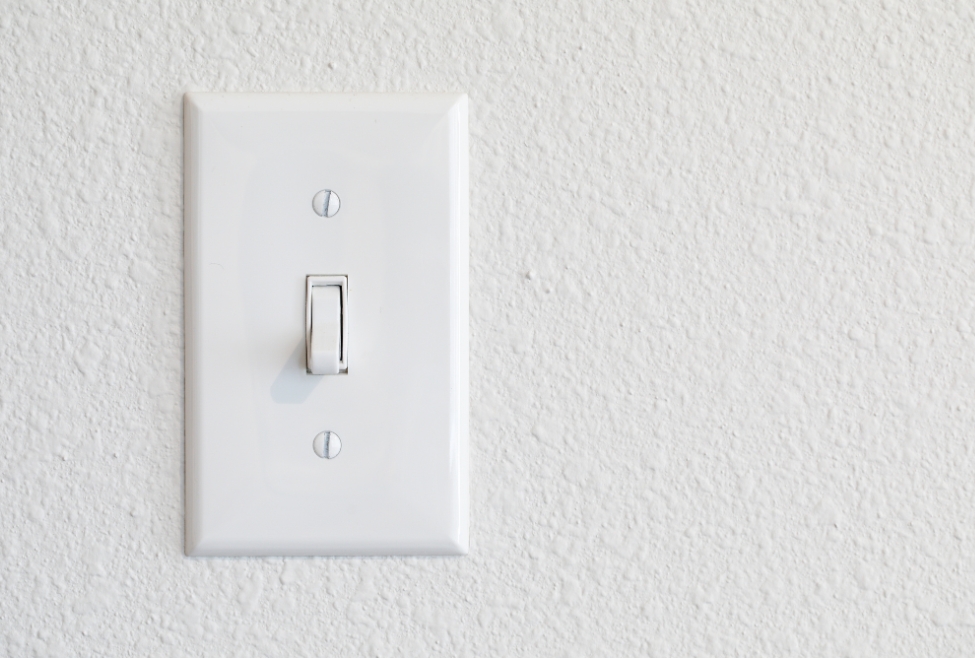
The single-pole switch is the most common type, controlling a light or set of lights from one location. You’ll typically find these in bedrooms, living rooms, or small spaces.
Tips for homeowners:
- Replace old toggle switches with modern rocker switches for a cleaner look.
- Watch for flickering lights, which may indicate a loose connection or aging wiring.
2. Three-Way Switch
A three-way switch allows you to control a single light from two locations. This is ideal for hallways, staircases, or rooms with multiple entrances.
Practical guidance:
- Identify the “line” (power source) and “load” (light) wires before installation.
- Turn off power at the breaker when troubleshooting or installing.
3. Four-Way Switch
Four-way switches are used with two three-way switches to control lights from three or more locations. They work well in long hallways, large open rooms, or multi-entrance spaces.
Helpful tips:
- Use color-coded traveler wires to keep wiring organized.
- Confirm compatibility with LEDs or smart lighting systems before installation.
4. Dimmer Switch
Dimmer switches let you adjust light levels to set the mood, save energy, or extend bulb life. They can work with LED, CFL, or incandescent bulbs.
Homeowner advice:
- Make sure your bulbs are dimmable; non-dimmable LEDs can flicker or damage the switch.
- Smart dimmers offer app or voice control for modern convenience.
Choosing the Right Switch for Your Home
When deciding which switch to use:
- Location matters: Multi-entrance areas benefit from three-way or four-way switches.
- Energy efficiency: Dimmers reduce electricity usage and prolong bulb life.
- Safety first: Old switches and outdated wiring can pose fire hazards.
For complex installations, Family Heating, Cooling, Electric and Plumbing can safely upgrade or troubleshoot switches to ensure they function correctly.
Master Your Home Lighting
Understanding what are the 4 types of light switches gives you the knowledge to upgrade, troubleshoot, or expand your home’s lighting system safely and efficiently. Whether you’re installing dimmers, multi-way switches, or replacing old toggles, knowing your options ensures the best results for comfort, convenience, and safety.
Our electrical expertise extends across New Bedford, Fall River, Taunton, Dartmouth, Somerset, and Fairhaven. Consulting Family Heating, Cooling, Electric and Plumbing can provide professional guidance and safe installation when needed.
FAQs
Can I change a light switch myself?
Yes, you can replace a standard switch yourself if you feel comfortable with basic electrical work. Always turn off power at the breaker first, use a voltage tester to confirm the wires are not live, and follow the wiring instructions carefully. For more complex setups, like three-way or four-way switches, it’s safer to consult a professional electrician.
What wires go where on a switch?
For a typical single-pole switch, the hot wire connects to one terminal, and the load wire goes to the other. Ground wires should be attached to the green screw. Three-way and four-way switches involve additional traveler wires, so knowing which wire is which is crucial for proper operation. Labeling wires before removing the old switch can help prevent mistakes.
Should I call an electrician to replace a switch?
While minor switch replacements are often straightforward, it’s recommended to hire a licensed electrician if you’re dealing with older wiring, multi-way switches, or smart switches. Improper installation can lead to flickering lights, breaker trips, or even fire hazards.
Are rocker or toggle switches better?
Rocker switches offer a modern look, easier operation, and often last longer than traditional toggle switches. Toggle switches are reliable and familiar, but rocker switches are typically preferred for high-traffic areas, smart homes, or updated decor.
How do you choose the right switch type?
Choosing the right switch depends on the location, function, and type of lighting:
- Single-pole: Simple on/off in one location.
- Three-way/four-way: Control lights from multiple locations.
- Dimmer switch: Adjust brightness and save energy.
- Smart switch: Remote control, automation, and scheduling options.
Always match the switch to your wiring and bulb type for safety and performance.