
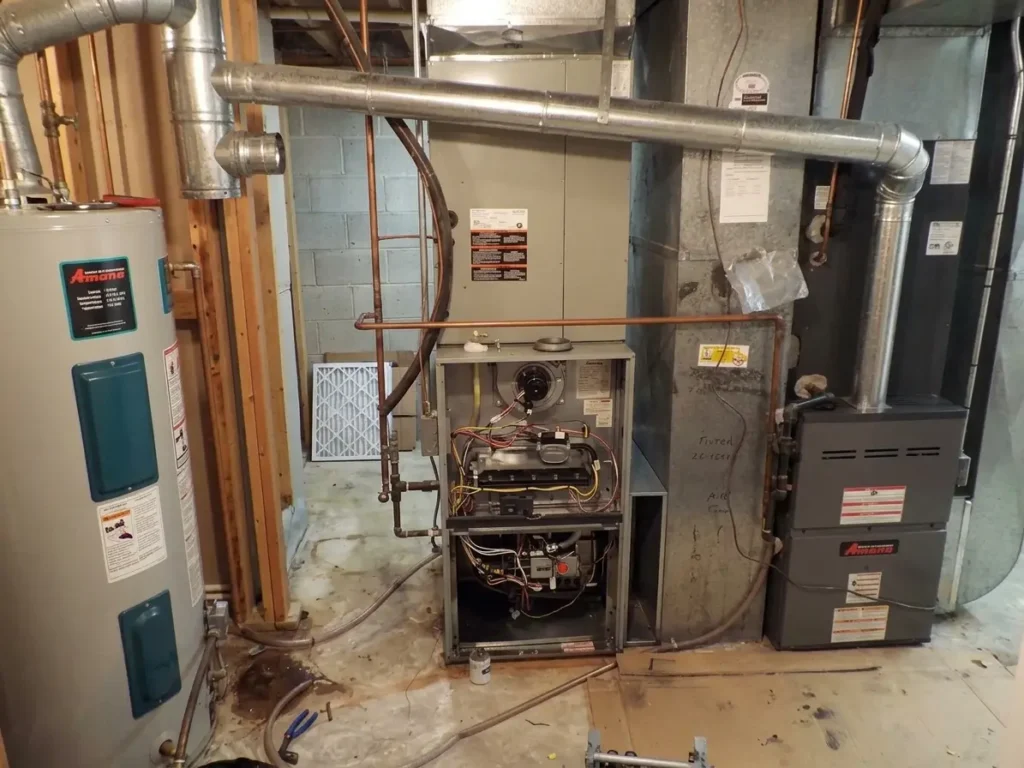
There is no household event quite as unsettling as waking up in the dead of winter, hearing complete silence from your HVAC utility closet, and feeling the indoor air turn icy cold. When your Furnace Stops Working on a freezing night, time is of the essence. Indoor temperatures can plummet rapidly during extreme polar plunges, exposing your household to severe discomfort and risking catastrophic plumbing damage from frozen, burst pipes. Before panic sets in, remember that many sudden heating outages are caused by simple, easily fixable issues that you can safely check yourself within a few minutes.
This comprehensive action guide walks you through immediate emergency safety checks, step-by-step DIY troubleshooting, safe emergency warming methods, and key indicators that show when it is time to call a professional for immediate heating repair.
Phase 1: Immediate Emergency & Safety Checks
When a heating system shuts down during extreme cold weather, safety must always be your top priority. Before attempting any troubleshooting, take a moment to rule out immediate hazards.
1. Check for Carbon Monoxide (CO) and Gas Odors
If you smell natural gas or propane (a strong, sulfurous, rotten-egg odor), evacuate your home immediately. Do not flip any light switches, ignite open flames, or use phone electronics inside the building, as a tiny spark could trigger an explosion.
Similarly, pay close attention to your home’s Carbon Monoxide detectors. CO is an odorless, invisible gas that can build up if a furnace experiences a cracked heat exchanger or a blocked exhaust flue. Symptoms of CO exposure include:
- Unexplained dizziness or lightheadedness
- Sudden head pressure or headaches
- Nausea and fatigue
- Confusion or shortness of breath
If your CO alarm sounds or anyone exhibits these symptoms, exit to fresh air right away and dial 911 or your local emergency gas provider.
2. Protect Your Plumbing from Freezing
Once safety is assured, mitigate secondary damage to your property. When indoor temperatures approach freezing, water inside exposed pipes can expand and rupture lines.
- Keep faucets dripping: Turn on kitchen and bathroom faucets to a slow, steady drip to keep water moving.
- Open cabinet doors: Expose under-sink plumbing to whatever warm air remains in living quarters.
- Isolate vulnerable zones: Close doors to unheated spaces like basements, attics, and garages.
Phase 2: 6 Step-by-Step Furnace Troubleshooting Checks
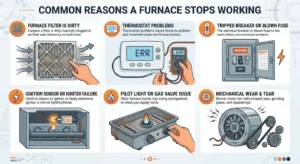
If there are no gas smells or safety hazards, you can systematically diagnose why your furnace failed. Many modern units enter a temporary safety “lockout” mode when a minor fault occurs.
| -MINUTE DIY TROUBLESHOOTING CHECKLIST |
| [ ] 1. Thermostat: Fresh batteries, set to HEAT, 5 deg above air [ ] 2. Emergency Switch: Verify red wall switch is flipped ON [ ] 3. Electrical Panel: Reset tripped heating circuit breaker [ ] 4. Air Filter: Inspect and replace dirty, clogged filters [ ] 5. Intake/Exhaust: Clear snow, ice, or debris from outdoor vent [ ] 6. Gas Valve: Ensure gas line handle is aligned with pipe |
Step 1: Verify Thermostat Settings and Power
It may sound obvious, but thermostats are frequently bumped, accidentally programmed into energy-saving modes, or left with dead batteries.
- Ensure the thermostat interface is set strictly to “HEAT” (not “COOL” or “OFF”).
- Set the target temperature at least 5 degrees above the current indoor room temperature to trigger a call for heat.
- If the display is blank or flickering, replace the batteries immediately.
- Ensure the fan switch is set to “AUTO” rather than “ON” so it doesn’t blow cold, unheated air continuously.
Step 2: Inspect the Power Switch and Circuit Breaker
Furnaces rely on electrical power to run blower motors, control boards, and electronic ignition systems.
- The Toggle Switch: Look near the side of the furnace unit or at the top of the basement stairs for a standard toggle switch (often marked with a red faceplate). Ensure it hasn’t been bumped into the “OFF” position.
- The Circuit Breaker: Open your main electrical panel. Locate the breaker dedicated to your heating system. If it has tripped to the middle position, flip it firmly to “OFF” and then back to “ON.” If it trips again immediately, do not force it—this signals an electrical fault requiring expert electrical services.
Step 3: Examine the Air Filter for Severe Clogs
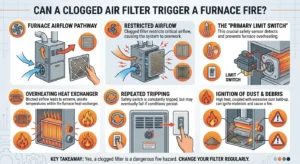
A severely dirty air filter is one of the most common reasons a Furnace Stops Working during a severe freeze. When dirt restricts airflow, the furnace’s heat exchanger overheats rapidly. To prevent permanent damage or fire hazards, the high-limit safety switch triggers an automatic system lockout.
How to fix it:
- Turn off power to the furnace at the emergency switch.
- Slide out the air filter from the intake rack.
- Hold it up to a light source. If no light passes through the dense dust layer, replace it with a clean filter immediately.
- Leave the power off for 5 to 10 minutes to allow the limit switch to cool and reset, then turn the power back on.
Step 4: Clear Exterior Intake and Exhaust Vents
High-efficiency, modern condensing furnaces vent exhaust gases and draw fresh intake air through PVC pipes that exit through an exterior wall. During heavy snowfall or drifting winter winds, these pipe openings can easily become buried or iced over.
- Walk around the outside perimeter of your home.
- Clear away snow, ice, leaves, or animal nests blocking intake or exhaust ports.
- A blockage here causes safety pressure switches to keep the furnace from igniting.
Step 5: Check the Gas Supply Valve
Verify that your home’s main gas supply valve has not been bumped shut. The handle on the gas line leading directly into your heating unit should run parallel to the pipe. If the handle is perpendicular (at a right angle), the gas flow is manually shut off.
Step 6: Inspect the Pilot Light or Flame Sensor
For older heating systems equipped with a continuous standing pilot light, check if the small blue flame has gone out. Strong winter drafts or a dirty thermocouple can extinguish this flame. If you suspect your system’s flame sensor is dirty or the pilot light will not remain lit, reviewing proper pilot light furnace maintenance or requesting a technician can resolve ignition failures safely.
Phase 3: Safe Emergency Heating Strategies
If basic troubleshooting does not restore heat, you need to keep your family warm while waiting for emergency HVAC service. Knowing how to preserve indoor heat efficiently makes a major difference when an outdoor freeze sets in.
| Warming Strategy | Do’s | Don’ts |
| Space Heaters | • Plug directly into wall outlets • Keep 3 feet away from curtains/bedding • Place on flat, hard floor surfaces | • Do NOT use extension cords • Do NOT leave unattended overnight • Do NOT place on rugs or furniture |
| Living Space Consolidation | • Gather family into a single interior room • Close doors to unused bedrooms • Hang blankets over windows | • Do NOT isolate in rooms with exterior walls • Do NOT leave doors wide open |
| Body Heat Preservation | • Layer thermal clothing and wool socks • Use insulated blankets and sleeping bags | • Do NOT wear wet clothing • Do NOT sit directly on uninsulated floors |

Critical Fire and Gas Safety Warnings
Desperation during severe weather can lead to hazardous decisions. Never compromise indoor air quality or fire safety:
- NEVER use gas ovens or stovetops to heat your home: Running gas burners continuously releases dangerous carbon monoxide into enclosed spaces.
- NEVER operate outdoor generators or charcoal grills inside: Keep generators at least 20 feet away from windows and entry doors.
- Exercise caution with fireplaces: Ensure flue dampers are fully open before lighting wood fires to prevent smoke inhalation.
Phase 4: Recognizing Major Component Failures
If your system attempts to start—perhaps making clicking noises or running the blower fan without producing warm air—an internal mechanical or electrical part may have broken down.
When an internal hardware defect occurs, specialized diagnostic equipment and licensed expertise are required to restore operation safely:
- Cracked Hot Surface Ignitor: Modern furnaces use an electronic heating element to ignite gas burners. Over years of thermal stress, these ignitors become brittle, crack, and fail to ignite fuel.
- Corroded Flame Sensor: The flame sensor is a thin metal rod that confirms gas fuel has ignited safely. If soot coats the sensor, it cannot detect the flame and shuts off gas flow within seconds to prevent dangerous gas accumulation.
- Failing Blower Motor: If you hear loud squealing, grinding, or rattling noises before the furnace shuts down, the blower motor bearings may have seized, causing the unit to trip internal thermal limiters.
- Cracked Heat Exchanger: Repeated overheating cycles can cause the metal heat exchanger to crack. This is a severe failure that exposes your home to flue gases and typically requires a major repair or system replacement. Learn more about what fails first on a furnace to better understand these critical components.
Phase 5: When to Call an Emergency HVAC Professional
While simple issues like flipped switches or clogged air filters can be addressed by homeowners, complex heating failures require professional intervention. Call for emergency service immediately if:
- Basic troubleshooting yields no results: Your thermostat, breakers, switches, and filters are fine, but the system remains inactive.
- The circuit breaker trips repeatedly: Resetting a breaker more than once indicates an electrical fault or a seized motor.
- You hear alarming mechanical noises: Loud banging, metal-on-metal screeching, or electrical buzzing indicate severe internal component damage.
- You suspect gas or electrical hazards: Any lingering gas odors or scorching around furnace panels warrant immediate professional evaluation.
When severe cold strikes, having a trusted partner like Family Heating, Cooling, Electric & Plumbing on standby ensures that qualified technicians can diagnose your system, replace failed components, and restore safe heat to your home quickly.
Proactive Prevention: Stop Emergency Outages Before They Happen
The most effective way to avoid dealing with a Furnace Stops Working emergency during a winter polar freeze is through proactive annual maintenance.
| PREVENTATIVE MAINTENANCE BENEFITS |
| 1. Early Detection : Identifies weak ignitors and failing capacitors 2. Peak Efficiency : Lowers winter heating utility expenses 3. System Safety : Tests gas pressure and heat exchanger seals 4. Warranty Support: Preserves manufacturer warranty coverage |
During a comprehensive inspection, certified technicians clean burner assemblies, test safety controls, inspect heat exchangers for microscopic stress cracks, and measure electrical draw on motors. Scheduling routine preventative maintenance before winter peak season arrives reduces the risk of unexpected midnight breakdowns and ensures your heating system operates at peak efficiency when you need it most.
Winter Emergency Checklist Summary
If your furnace quits during extreme winter weather, keep a clear head and follow these key steps:
- Prioritize Safety: Ensure carbon monoxide detectors are active and check for gas odors.
- Prevent Pipe Freeze: Set faucets to a slow drip and open under-sink cabinet doors.
- Run DIY Checks: Inspect the thermostat, emergency power switch, circuit breaker, air filter, and outdoor vents.
- Heat Safely: Use portable space heaters properly—never use gas stoves or unvented appliances for heat.
- Call the Experts: If basic checks don’t restart your heat, contact professional HVAC technicians right away.
By remaining calm, systematically troubleshooting, and knowing when to call experienced professionals, you can protect your home and keep your family warm through any winter storm.