
It is a scenario every homeowner dreads: opening the summer power bill only to find a shocking jump in price. If you are struggling with an electric bill high summer after summer, you are far from alone. Summer cooling demands push home energy systems to their limits, causing household utility expenses to soar. While seasonal rate hikes and intense heatwaves play a role, the primary culprit is usually inside your home. Understanding why your energy consumption spikes during the warmer months—and taking actionable steps to fix it—can help you lower your monthly electric bills without sacrificing household comfort.

1. The Anatomy of a Summer Energy Surge
To control your cooling bills, you first need to understand where the power goes. During winter, a home might rely on natural gas or oil for heat, keeping electrical usage relatively low. Summer flips that dynamic entirely.
An air conditioner consumes significantly more power than almost any other appliance in your home. When outside temperatures climb past 80°F or 90°F, your cooling system has to run longer cycles to maintain a stable indoor environment.
Three primary elements drive summer utility spikes:
- Thermostat Load: The wider the gap between the outdoor temperature and your indoor thermostat setting, the harder your cooling system works.
- Peak Rate Pricing: Many electric utility providers charge higher rates during “peak demand” hours (typically between 1:00 PM and 7:00 PM on weekdays).
- System Inefficiency: Aging equipment, clogged filters, and duct leaks cause your cooling equipment to draw excess amps to deliver minimal air.
2. Why Is Your Electric Bill So High in the Summer?
If your electricity usage jumps significantly during hot weather, several underlying issues may be driving up the bill.

A. Dirty or Clogged Air Filters
Your air conditioning system relies on steady airflow to absorb interior heat and circulate cool air. When your air filters are covered in dust, pet hair, and debris, the system’s blower motor must work twice as hard to push air through the filter. This restricted airflow increases electrical draw, slows down cooling cycles, and can even cause the evaporator coils to freeze over.
B. Leaky or Uninsulated Ductwork
Even if your central cooling system operates at peak capacity, poor ductwork can cause significant energy loss. According to energy experts, the average home loses 20% to 30% of conditioned air through tears, cracks, and unsealed joints in attic or crawlspace ducts. You end up paying to cool unconditioned attic space instead of your living room.
C. Low Refrigerant or Neglected Maintenance
Air conditioners rely on closed chemical loops (refrigerant) to extract heat from indoor air. If your unit has a leak or has not undergone annual tuning, refrigerant levels drop. As a result, the compressor must run continuously without properly cooling the home. Neglecting annual system checks also leads to dirty condenser coils, which prevents proper heat transfer outdoors.
D. Poor Insulation and Drafty Windows
Cooling your home is a continuous battle against radiant heat gain. Sunlight passing through unshaded windows and heat seeping through thin attic insulation force your air conditioner to run constantly. Without proper insulation, your home loses conditioned air almost as fast as your system produces it.
E. Phantom Loads and Peak Appliance Use
Air conditioning is not the only power draw during summer. Running high-wattage appliances—such as clothes dryers, dishwashers, and ovens—during the hottest hours of the day adds internal heat to your home. This forces your cooling system to run even longer. Additionally, electronics left plugged in when not in use continue to draw baseline power.
3. How to Fix It: Practical Solutions to Lower Your Bills
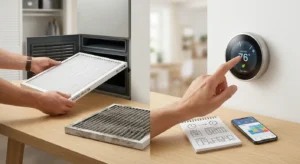
Reducing high summer power bills does not require living in a warm, uncomfortable home. By adopting smart habits and making targeted efficiency improvements, you can cut cooling expenses.
Immediate, Low-Cost Adjustments
               ┌─────────────────────────────────────────────────┐
               │    STEP 1: Replace Air Filters (Every 1-3 Mos)  │
               └───────────────────────┬─────────────────────────┘
                                       │
                                       ▼
               ┌─────────────────────────────────────────────────┐
               │   STEP 2: Optimize Thermostat (78°F Standard)   │
               └───────────────────────┬─────────────────────────┘
                                       │
                                       ▼
               ┌─────────────────────────────────────────────────┐
               │   STEP 3: Utilize Ceiling Fans Counterclockwise │
               └───────────────────────┬─────────────────────────┘
                                       │
                                       ▼
               ┌─────────────────────────────────────────────────┐
               │ STEP 4: Schedule Professional System Tune-Up    │
               └─────────────────────────────────────────────────┘
- Optimize Your Thermostat: Set your thermostat to 78°F when you are at home and awake. Raising the temperature by 7 to 10 degrees while you are away at work can save up to 10% a year on cooling costs.
- Swap Air Filters Regularly: Check your furnace/air handler filter monthly during high-use summer months. Replace it as soon as it appears discolored or dusty.
- Run Ceiling Fans Correctly: Ensure ceiling fans spin counterclockwise in the summer to create a wind-chill effect. Remember that fans cool people, not rooms, so turn them off when you leave the area.
- Block Direct Sunlight: Close blinds, drapes, or window shades on south- and west-facing windows during peak sunlight hours to reduce solar heat gain.
- Shift Appliance Usage: Avoid using heat-generating appliances like ovens, stoves, and dryers during the hottest afternoon hours. Opt for outdoor grilling or run dishwashers late at night.
4. Professional Upgrades for Long-Term Savings
While DIY adjustments offer immediate relief, addressing systemic inefficiencies delivers the greatest long-term energy savings.
Schedule Routine System Maintenance
If your cooling unit has gone more than a year without a professional inspection, internal components are likely running below peak efficiency. Investing in a comprehensive AC tune-up helps clean critical coils, verify refrigerant charges, inspect electrical connections, and restore optimal airflow.
If your cooling unit frequently breaks down or stops blowing cold air altogether, reviewing a guide on why your AC stopped working suddenly can help you diagnose whether you need a minor repair or a complete replacement.
Upgrade to a High-Efficiency System or Heat Pump
If your cooling system is more than 10 to 15 years old, its baseline energy efficiency (SEER rating) is likely well below modern standards. Replacing an aging air conditioner with a modern inverter-driven unit or upgrading to a high-efficiency heat pump can significantly cut summer electricity usage.
Heat pumps offer versatile heating and cooling options. Learning about what a heat pump is and how it benefits your home can help you evaluate modern electric cooling options. You can also research the best heat pump brands to compare SEER2 energy ratings and variable-speed features that optimize summer cooling performance.
Pre-Season Maintenance Planning
Keeping track of home maintenance ensures your equipment runs smoothly before summer temperatures peak. Following a seasonal home checkup schedule like a spring HVAC maintenance checklist helps clear outdoor debris, flush drain lines, and catch minor issues early—preventing sudden mid-summer failures and high power bills.
5. Modern Efficiency: Smart Thermostats and Home Automation
Installing a programmable or smart thermostat is one of the fastest ways to reduce cooling costs without compromising daily comfort.
- Automated Schedules: Program higher temperature setpoints while your household is at work or asleep.
- Geofencing Technology: Smart thermostats can track your smartphone location, lowering the cooling output when you leave and cooling the home back down as you return.
- Energy Analytics: Many smart control systems provide monthly reports detailing your consumption patterns, helping you identify opportunities to optimize energy use.
Take Control of Your Summer Energy Costs
Opening a summer electric bill should not bring unwanted surprises. While hot weather forces cooling systems to work harder, taking control of your home’s energy efficiency can keep utility costs manageable.
By changing dirty filters, sealing drafty windows, adopting smart thermostat schedules, and keeping your HVAC system professionally maintained, you can keep your home cool and comfortable without overpaying on monthly utility bills.